How Hard Is It to Potty Train a Cat?
Potty training a cat is one of the first hurdles every new cat owner faces, and one of the most misunderstood. You’ve probably heard that cats “just know” how to use the litter box. And while that’s true for many, it’s not always so simple.
Some cats need guidance. Others need a full-on strategy. And when you throw in alternatives like toilet training or outdoor potty habits, the process can quickly feel overwhelming.
As someone who has worked hands-on with both easygoing kittens and stubborn adult rescues, I can tell you: potty training is very achievable, but how easy or hard it is depends on the cat, the method, and how you approach it.
In this guide, we’ll break down exactly how hard it is to potty train a cat, including the question of how hard is it to potty train a cat, depending on the method you use.
We’ll look at the factors that influence success, the common problems you might face, and how to overcome them. Whether you’re training a kitten, an adult rescue, or considering litter box alternatives, you’ll find practical advice rooted in real experience.
Is Potty Training a Cat Really That Hard?
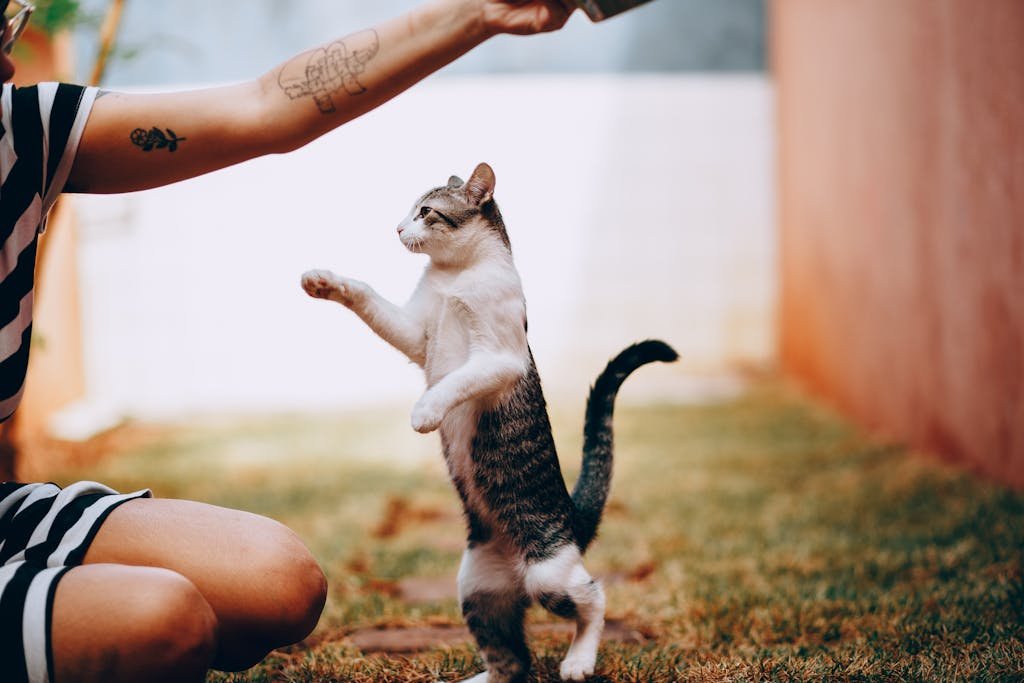
Photo credit: Helena Lopes
Let’s get straight to the point.
No, potty training a cat isn’t that hard, for most cats, if you use the right method.
Most cats have an instinct to bury their waste. That’s why kittens raised around their mother or in clean environments often use a litter box without much training. But not all cats come with that built-in advantage. And when you move beyond basic litter training into toilet training or outdoor potty training, the difficulty level rises.
Here’s a quick comparison:
|
Training Type |
Difficulty Level |
Why |
|
Litter Box |
Easy |
Aligns with natural instincts |
|
Outdoor Potty Training |
Moderate |
Requires safe access, supervision, and routine |
|
Toilet Training |
Hard |
Goes against instinct (no digging, no burying), longer process |
So the real answer is: it depends. For a kitten in a calm home, litter box training can take as little as a few days. For a feral adult cat recovering from trauma, it might take weeks, and that’s still a win.
Potty training your cat becomes harder when owners rush the process, use the wrong tools, or don’t adjust for their cat’s personality. That’s where the frustration starts, but it can be avoided with the right knowledge.
Factors That Affect How Hard Potty Training Will Be
No two cats are the same. And the ease or difficulty of potty training depends on a mix of physical, behavioral, and environmental factors. Let’s break them down:
1. Age
2. Background
3. Health Status
4. Temperament
5. Environment
These factors don’t make potty training impossible. They just shape your approach. Knowing what affects your cat helps you create a setup that works for them, not just what works in theory.
Training a Cat to Use a Litter Box: How Difficult Is It?
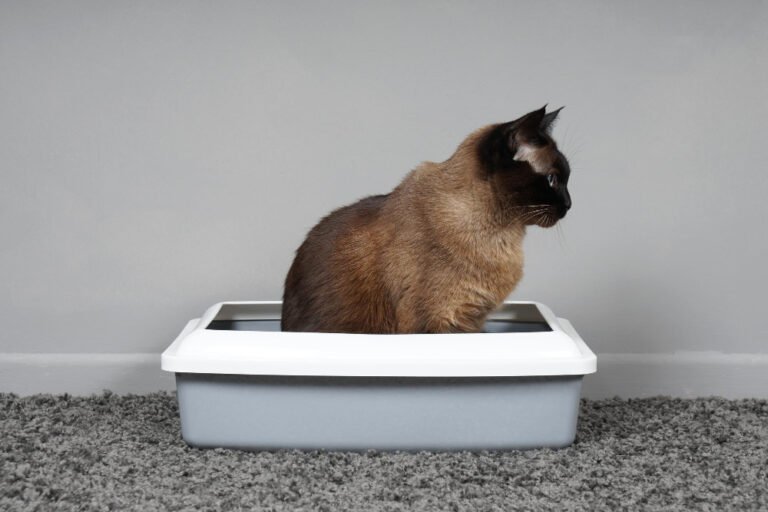
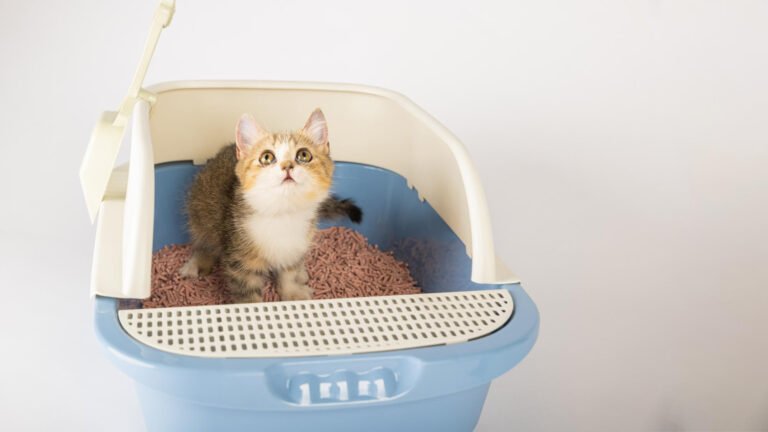
Truthfully, this is the easiest method and the most natural for most cats. Cats have an innate desire to eliminate in soft, diggable materials and bury their waste. Litter boxes satisfy that instinct almost perfectly, which is why most kittens learn to use them within just a few days.
Here’s why litter box training is generally easy:
Basic Litter Box Training Steps:
Common Hurdles:
|
Problem |
Solution |
|
The cat avoids the box |
Try a different location, clean more often, or test a different litter type |
|
Pooping outside box |
Stress, territory issues, add another box or try a covered box |
|
Kitten doesn’t understand |
Gently place them in the box after meals or naps until they associate the place with potty time |
In short, if you provide the right setup and a calm routine, litter box training is easy for most cats, even rehomed adults.
Training a Cat to Use the Toilet: Is It Worth the Effort?
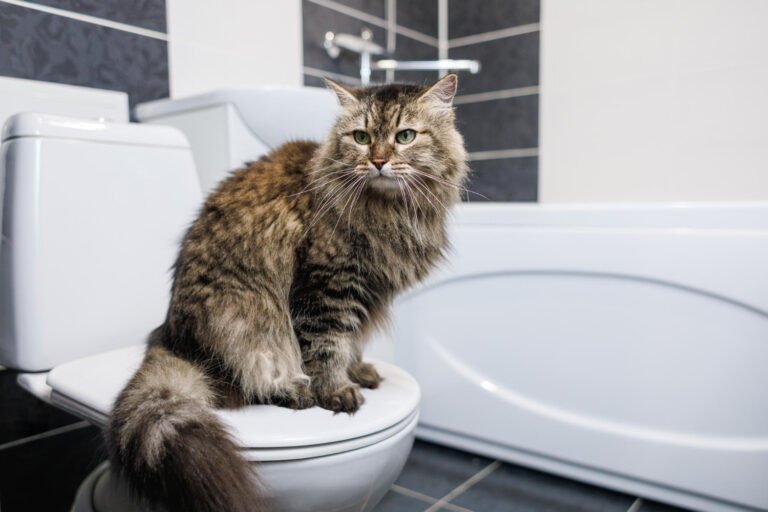
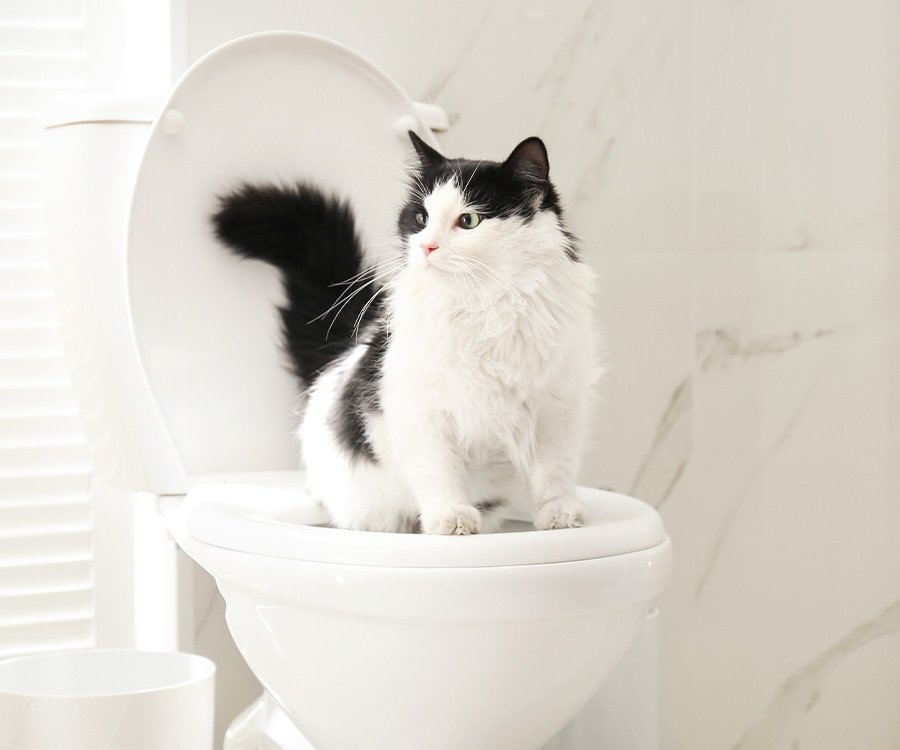
Toilet training a cat is a different beast altogether. While it’s possible, and has become more popular in recent years, it goes against some of a cat’s most basic instincts. Cats like to dig and bury. They also like to feel stable and safe. A toilet offers neither.
I’ve worked with cat owners who successfully made the switch, but it took several months, a lot of trial and error, and in some cases, eventual backtracking.
What Makes It Challenging:
Process Overview:
Time commitment: 8–12 weeks minimum
Success rate: Highly variable. Works best with confident, curious cats.
If you’re committed, have only one cat, and are okay with the risks, toilet training can work. But for most, it’s not worth the stress or effort compared to standard litter boxes.
Outdoor Potty Training: How Challenging Is It?
Training a cat to potty outside falls somewhere between litter training and toilet training in terms of difficulty. It’s more natural than toilet use, but it introduces new challenges related to safety, supervision, and routine.
Who It’s Best For:
Core Challenges:
Training Steps (Summarized):
Difficulty level: Moderate
Timeframe: 3–6 weeks, depending on your cat’s adaptability
In my experience, this method works best when your cat already enjoys being outside and you’re able to maintain a clean, inviting space outdoors. It’s not ideal for indoor-only cats or those living in apartment settings.
Problem Behaviors That Make Training Harder (And Fixes)
Some cats present challenges during potty training, not because they’re untrainable, but because certain behaviors or situations get in the way. Identifying the root cause early makes all the difference.
Here’s a table of common problems and what to do about them:
|
Problem Behavior |
Why It Happens |
Fix That Works |
|
Refuses to use the litter box |
The box is dirty, in a high-traffic area, or associated with past trauma |
Move the box to a quieter spot, clean daily, and create positive associations |
|
Eliminates just outside the box |
The box may be too small or uncomfortable, or the cat may dislike the litter texture |
Try a larger box, softer litter, or an open-top box |
|
Poops in random spots |
Stress, lack of routine, or multi-cat conflict |
Add more boxes, reduce household stressors, and stick to a routine |
|
Won’t go outside to potty |
Fear of open space, unfamiliar smells, or previous bad experiences |
Use leash training, introduce scent cues, or provide a sheltered outdoor area |
|
Jumps off the toilet mid-use |
The toilet seat feels unstable or too high |
Go back a step in toilet training, stabilize the seat, or use a training insert |
The key is not to scold or punish, as that can worsen the behavior. Instead, focus on what the behavior is telling you and make changes that help your cat feel safe, clean, and understood.
Expert Tips to Make Potty Training Easier
After working with many cats and their owners, I’ve found a handful of techniques that consistently lead to smoother training, no matter what method you’re using.
1. Cleanliness Is Everything
Cats will almost always avoid a dirty litter box. Scoop solids daily, change litter weekly, and wash the box with unscented soap regularly.
2. Use the Right Litter and Box
Start with unscented, clumping litter and a basic open-top box. Covered boxes may trap odor and deter nervous cats, while automatic boxes can scare first-timers.
3. Reward, Don’t Punish
Cats don’t respond well to scolding. Instead, use calm verbal praise or a small treat immediately after they use the litter box or potty spot correctly.
4. Introduce Change Gradually
Whether switching locations, transitioning outside, or elevating a box toward the toilet, go slow. Sudden changes often lead to stress-based accidents.
5. Keep the Environment Calm
Stress is a top cause of litter box avoidance. Use calming pheromone diffusers, maintain a quiet space for the box, and keep other pets from harassing your cat.
6. Always Rule Out Medical Issues
If a trained cat suddenly starts eliminating outside the box, visit your vet. Urinary tract infections, arthritis, or gastrointestinal discomfort are common culprits.
These aren’t just theories, they’re battle-tested tips from years of working hands-on with feline behavior. Use them to avoid common pitfalls and speed up progress.
How Long Does It Take to Potty Train a Cat?
The timeline depends entirely on your cat’s age, experience, environment, and the method you choose.
Here’s a general overview of how long it takes to litter train a cat:
|
Training Method |
Time Estimate |
Notes |
|
Litter Box Training |
3–7 days (kittens), up to 2 weeks (adults) |
Fastest method; most kittens learn within a few days |
|
Outdoor Potty Training |
3–6 weeks |
Depends on routine, yard setup, and weather |
|
Toilet Training |
8–12 weeks or longer |
Requires structured steps and consistent supervision |
For some cats, it may take longer. Don’t get discouraged. Consistency and patience are more important than speed. Rushing often backfires, leading to confusion and setbacks.
FAQs
Conclusion
So, how hard is it to potty train a cat?
It’s not impossible. In fact, it’s often easier than people expect, especially if you stick to what aligns with your cat’s instincts. Litter training is simple and fast for most. Outdoor potty use takes more effort. Toilet training? It’s the most complex and least natural.
What makes potty training hard isn’t the cat, it’s the mismatch between method and personality. When you adapt to your cat’s needs, go at their pace, and stay consistent, the process becomes much smoother.
Potty training is a journey. But with patience, the right setup, and expert strategies like the ones you’ve learned here, your cat can absolutely succeed, and so can you.