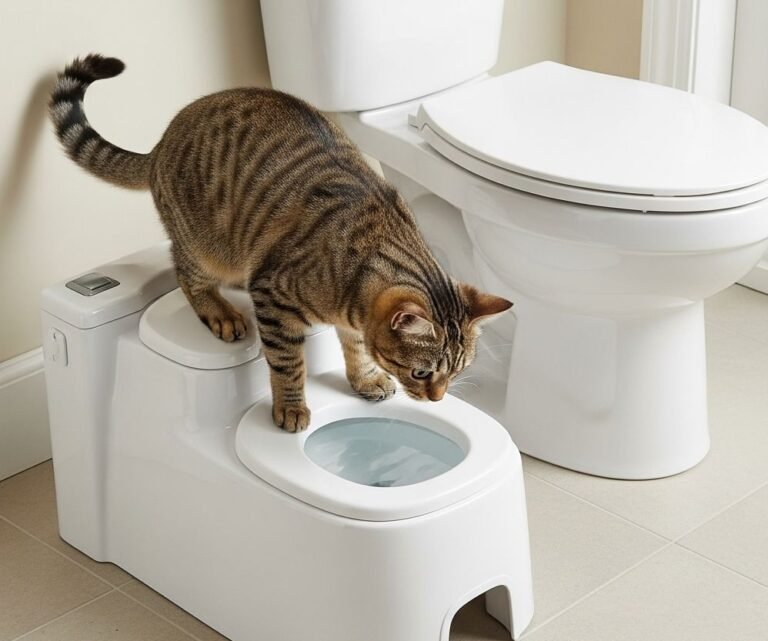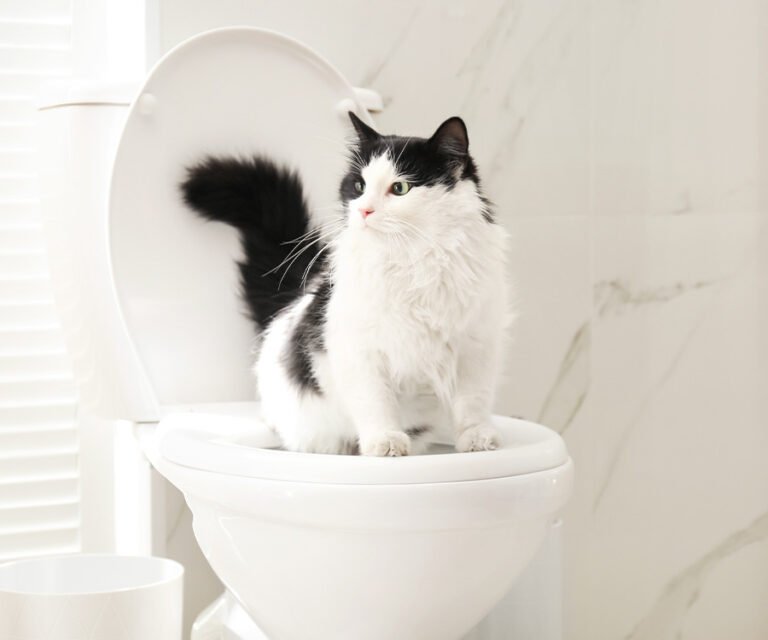
How Long Does It Take to Litter Train a Cat? (Complete Guide)

If you’re a cat owner, one of the first and most important skills your feline friend needs to learn is using the litter tray.
But how long does it actually take for a cat to get the hang of it?
This question comes up a lot, especially among new cat parents who want to make sure they’re doing everything right.
The truth is, there’s no one-size-fits-all answer. Training time can vary widely depending on your cat’s age, personality, past experiences, and how you approach the training process. Some kittens catch on in a few days, while adult cats might take weeks or even months to adjust.
In this guide, I’ll break down the typical timelines to litter train a cat, explain the factors that influence how long it takes, and share practical tips to speed up the process.
Drawing from years of experience working with cats of all ages, I’ll help you understand what to expect and how to set your cat up for success.
Understanding Cat Behavior and Litter Training Basics

Photo credit: Perla Montoya
Cats are naturally clean animals. Most have an instinct to bury their waste, which is why litter training often comes naturally to kittens. Mother cats teach their babies to use soft soil or litter by example, and this early learning usually sticks.
However, not all cats have the same experience. Stray, feral, or adopted adult cats may never have learned to use a litter tray. Others might have developed bad habits if their previous environment was unsuitable.
Because of these differences, training relies heavily on patience and consistency. It’s important to remember that cats are sensitive to their environment. They need a quiet, safe space and a litter setup that feels comfortable and familiar.
From my own experience, I’ve seen kittens learn litter habits in less than a week. Adult cats, especially those who’ve had accidents or trauma, can take much longer. Understanding these cat litter training basics helps set realistic expectations.
👉 Read our guide on how to easily potty train a cat.
Typical Time Frames for Litter Training Cats
So, how long does litter training usually take?
Signs that training is working include your cat voluntarily approaching the tray, showing fewer accidents outside the box, and staying consistent with their bathroom habits.
Remember, these are general estimates.
Every cat is unique. Your job is to be patient, observant, and ready to adapt your training approach as needed.
Factors That Influence Litter Training Duration
How long it takes to litter train a cat depends on several important factors. Understanding these will help you be patient and tailor your approach.
Age Matters
Kittens tend to learn the fastest because litter training is part of their early development. Adult cats, especially those who’ve never used a litter tray before or had negative experiences, may take longer. Senior cats might face physical challenges, like arthritis, which can slow training.
Past Experiences and Habits
Cats with a history of living outdoors or using alternative bathroom spots may resist using a tray. Conversely, cats who’ve previously used a litter tray usually pick it up faster during retraining.
Health Conditions
Medical issues such as urinary tract infections, kidney problems, or arthritis can make it painful or confusing for cats to use the tray. Always rule out health problems before assuming behavior is stubbornness. I’ve seen cats quickly improve after treatment for infections or pain.
Litter Tray Setup
The type of tray, litter, and where it’s placed matter a lot. A small, covered tray in a noisy spot might discourage use. Older or sensitive cats need low-entry, roomy trays with soft, unscented litter. Proper setup can dramatically shorten training time.
Owner’s Approach and Consistency
Your patience and consistency are crucial. Regularly cleaning the tray, guiding your cat gently, and rewarding successes help speed up learning. Inconsistent or punitive approaches can create stress and slow progress.
Environmental Stress
Cats are sensitive to changes—new homes, other pets, loud noises, or even changes in household routine can delay training. Creating a calm, safe environment encourages faster learning.
Knowing these factors prepares you for what might affect your cat’s timeline and helps you adjust your training methods accordingly.
👉 Read our guide on the challenges of potty training.
Step-by-Step Litter Training Process and Expected Timelines
Based on years of experience with cats of all ages, here’s a practical step-by-step guide with expected timeframes. Remember, these are guidelines; every cat’s journey is unique.
Days 1–3: Introduction to the Litter Tray
Bring your cat into the designated litter area several times a day, especially after meals and naps. Show them the tray gently and allow them to sniff and explore. Keep the environment calm and quiet. Don’t force or rush—let curiosity lead.
Days 4–10: Encouraging Consistent Use
By this stage, many kittens start using the tray on their own. For adults, you may need to gently guide them when you notice signs they need to eliminate (sniffing, circling). Praise calmly or offer small treats after successful use. Scoop the tray daily to keep it inviting.
Weeks 2–4: Handling Setbacks and Accidents
Accidents can happen, especially with adult cats or those with past issues. When they do, clean thoroughly with enzymatic cleaners to remove odors. Never punish your cat; instead, redirect gently to the tray. Continue reinforcing positive behavior and maintain a consistent routine.
After 4 Weeks: Monitoring Progress and Adjusting
By this time, most kittens are trained, and adult cats should show steady improvement. If your cat still avoids the tray, review the setup, litter type, and environment for possible issues. Consult your vet if medical concerns are suspected.
This stepwise approach breaks training into manageable phases and helps you stay patient and positive throughout.
Tips to Speed Up Litter Training
Want to make the process faster and smoother? Here are some tried-and-true tips that have worked wonders for me and countless cat owners I’ve advised:
Following these tips won’t just speed training—it will help build trust and confidence, making your cat feel safe and happy.
Common Challenges and How They Affect Training Time
Even with your best efforts, some cats face unique hurdles that can lengthen the litter training process. Understanding these challenges will help you stay patient and find the right solutions.
Medical Issues
Health problems like urinary tract infections, bladder stones, or arthritis can cause pain or urgency that confuses cats. They might avoid the tray because it hurts or because they can’t get there in time. A veterinary exam is essential to identify and treat these issues before training continues. Ignoring medical problems often leads to frustration for both you and your cat.
Behavioral Issues
Stress, anxiety, or fear can make cats resistant to using the litter tray. Changes like a new home, new pets, or loud noises disrupt their sense of safety. Territorial marking or spraying may also interfere, especially in multi-cat households. Addressing these behaviors through environmental enrichment, pheromone diffusers, and gradual introductions can help.
Multi-Cat Households
Competition or territorial disputes among cats can cause some to avoid shared litter trays. Providing multiple trays (one per cat plus one extra) and placing them in different locations reduces conflicts and encourages regular use.
Changing Litter or Trays Mid-Training
Switching litter types or trays abruptly can confuse your cat and cause setbacks. If you must change, do it gradually by mixing old and new litter over several days. Consistency is key to avoiding lengthening training time.
Age-Related Mobility Issues
Senior cats with arthritis or other mobility challenges may struggle with high-sided trays or trays placed in hard-to-reach areas. Adjusting the setup to low-entry trays on non-slip surfaces near their favorite resting spots can help them access the tray comfortably.
By anticipating these common challenges, you can adapt your approach and keep training on track.
FAQs
Conclusion
Litter training your cat is a journey that varies greatly depending on age, background, health, and environment. While kittens often catch on within a week, adult cats might need several weeks or even months to fully adjust.
The key to success is understanding your cat’s unique needs and showing patience every step of the way. By providing a clean, accessible tray, choosing the right litter, maintaining a calm environment, and reinforcing positive behavior, you set your cat—and yourself—up for a smoother, faster training experience.
Remember, setbacks are normal, not failures. Most cats respond well when given time and consistent care. You’re not just teaching your cat a skill; you’re building a trusting, happy relationship.
Stay patient, stay observant, and celebrate every small victory. Your cat will thank you with a lifetime of clean, comfortable companionship.