How to Train a Cat to Use a Scratching Post
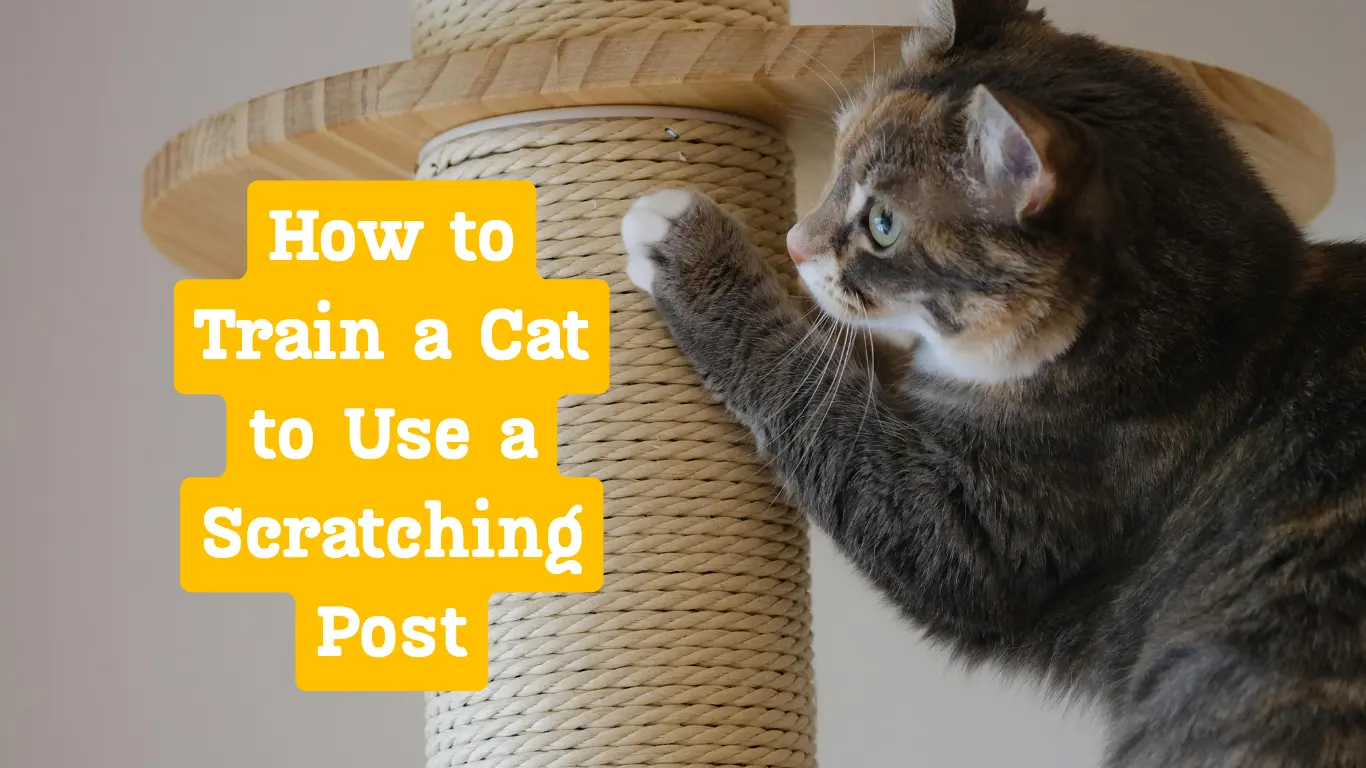
As a cat parent, are you frustrated by your cat’s approach to scratched furniture, torn carpets, or claw marks on walls?
Well, you are not alone in this. Even your cat is not doing it to annoy you at all. It’s a natural instinct of cats. To help with this, cat parents set up a scratching post that can make their cat have healthier claws and a better feeling than ever.
But, how to train a cat to use a scratching post instead of your furniture?
In this post, we are going to talk about the most effective way to master this journey. It’s easy, simple, if you get the right information right on time.
4 Proven Tricks to Train a Cat to Use a Scratching Post
Here are some of my personal cat care recommendations to train your cat to use a scratching post with minimal effort.
1. Pick the Perfect Scratching Post
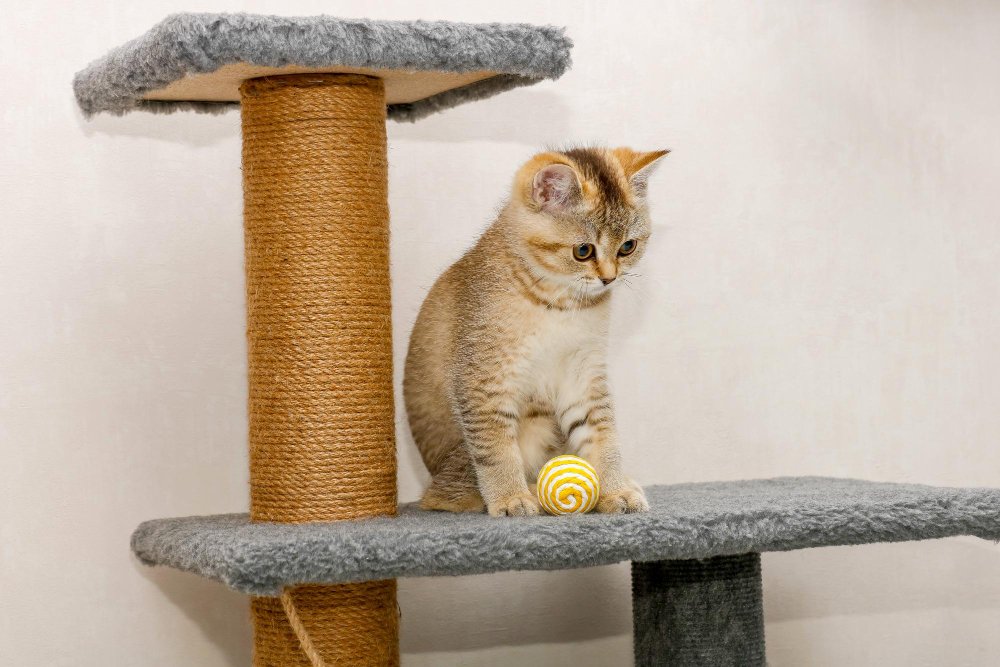
There are many ways to build a cat scratching post. However, a good scratching post for cats is something that interests your cat to use, a post that they would love.
A scratching post helps your cats in many ways, for healthy claws, to scratch their muscles, and even to get stress relief.
But, as we know, there are various types of scratching posts available in the market; not all of them are created equal. They can serve different needs, offering different purposes for cats. Even your cats can be picky about using one if it does not suit their needs.
So, it’s significantly necessary to understand what type of scratching post you will need before investing in packs of bucks. Here are a few types of cat scratching posts you can get for your cat:
Vertical Posts – Tall, upright posts that allow full-body stretches. Best for active or long cats.
Horizontal Scratch Pads – Flat boards placed on the floor for cats that prefer ground-level scratching.
Angled Scratchers – Slanted boards or ramps that combine vertical and horizontal scratching.
Cat Trees & Towers – Multi-level structures with scratching surfaces, ideal for climbing cats.
Wall-Mounted Scratchers – Great for saving floor space and for cats that love scratching furniture sides.
2. Get Enough Scratching Pads with an Ideal Placement

Cats naturally like to scratch in multiple places. When you offer a particular spot for scratching, it might push them back to your furniture. Therefore, there can be nothing better than placing several scratching pads or posts around your home to avoid unwanted circumstances from your cats.
Besides, if you have more than one cat in the house, it’s best to get different types of scratching posts and at least enough scratching pads. Having options allows your cat to scratch whenever and wherever they feel the urge, which makes the training process smoother.
Try mixing it up with vertical posts, horizontal pads, and angled scratchers. As each cat has its own preference, offering a variety gives them the freedom to choose. This not only keeps them engaged but also helps them quickly develop the habit of using scratching posts instead of your sofa or carpet.
For an ideal placement, try these spots:
3. Introduce the Scratching Post Positively
Though cats are the most curious animals, they also fear anything new. We all know that.
So, how to make your cat be positive about a scratching post to make it the best scratching post?
Well, when you first get a good scratching post for cats, don’t force them to use it right away. Neither expect any behavior from them as well.
Just let them explore the post on their own. You can also gently place its paws on the surface to show what it’s for. Never force scratching, as it can make them resistant.
Slowly, over time, you will notice your cat is getting into scratching, as it’s what they love the most! You don’t need to stress it out at all!
4. Redirect, Don’t Punish!
It’s normal for your cat to go back to your furniture even after following all these tips. But, as cats don’t have a memory as we humans do, it’s normal to make silly things like these.
So, if you catch your cat scratching furniture, calmly redirect them to the post. Gently carry them to the post or dangle a toy around it to get their attention.
Just keep an eye on them, encourage them to use scratching pads, and try to engage them in playing around the post.
👉 Struggling to potty train your cat? Get the ultimate guide on how to litter train a cat.
What If Your Cat Still Ignores the Post?
Just like training a cat use a leash, scratch pad training takes time and patience. Even after setting up a perfect cat scratching post, you may still find obstacles to training a cat to use a scratching post.
There’s no need to panic. It’s normal for some cats to need extra encouragement before they accept a new habit in their routine.
Here are a few tricks you can try:
If your cat still ignores it after all these attempts, it might be worth trying a different type of post (taller, wider, carpeted, or sisal-wrapped).
Just like humans, cats have preferences. You just need to find what clicks.
Conclusion
Cats don’t scratch to be destructive. They scratch to feel good, stay healthy, and mark their territory.
So, when you have the best scratching post, a perfect setup, and have learned the steps to train a cat to use a scratching post, it’s time to be consistent with your approach.
By being patient, you can make this scratching habit a win-win for both you and your cat.