Cat Care Routine: Weekly & Monthly Tasks Explained
I’ll be honest with you. Before I got my cat Milo, I thought cat ownership was pretty hands-off. Feed them, clean the litter box, done. Boy, was I wrong.
Turns out cats need a proper cat care routine just like any other pet. But don’t worry, it’s not as intense as it sounds. Once I figured out a system that worked, taking care of Milo became second nature.
Let me walk you through exactly what I do every week and month to keep my cat healthy and happy.
Why Create a Cat Care Routine?
Here’s what nobody tells you about cats: they’re really good at hiding when something’s wrong. In the wild, showing weakness makes them vulnerable. So by the time your cat is obviously sick, things might already be pretty bad.
Having a guide for routine cat care means you’re checking in regularly. You’ll spot the small stuff before it becomes an expensive problem. Plus, cats actually love routine. They feel more secure when they know what to expect.
Daily Cat Care Routine You Can’t Skip
Before we get into weekly cat care and monthly cat maintenance, let me mention the everyday basics:
Feeding happens twice a day for Milo – morning and evening. Fresh water goes in his bowl every morning because he’s weirdly picky about it. The litter box gets scooped at least once, usually twice. And we play for about 15 minutes before bed.
These daily cat care habits take maybe 20 minutes total. You’ll get into a rhythm pretty fast.
Weekly Cat Care Routine Tasks
Every Sunday morning, I go through my weekly cat care checklist. It takes about 30 minutes, and then I don’t worry about it for another week.
1. Give the Litter Box a Deep Clean
Yeah, you’re scooping every day. But once a week, everything needs to come out. I dump all the litter, scrub the box with warm soapy water, dry it completely, and refill with fresh litter.
My litter box cleaning schedule is Sunday mornings without fail. If I skip it, Milo starts giving me these judgmental looks. Also, my apartment starts smelling weird by Wednesday.
2. Brush Time
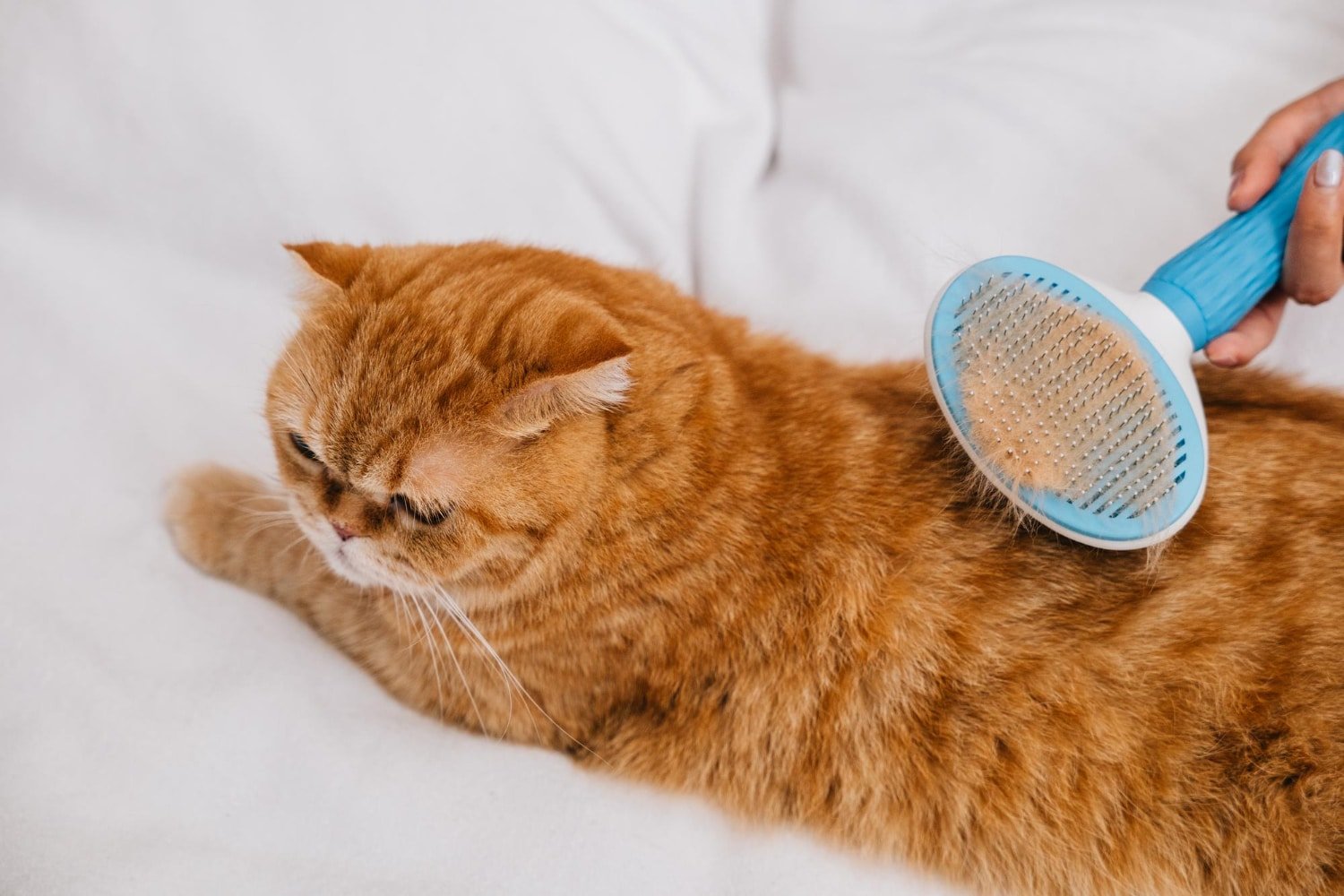
Milo’s a short-hair, so once a week works fine for our grooming schedule. If you’ve got a long-haired cat, you might need to do this more often.
I use a regular bristle brush, nothing fancy. This keeps hairballs down and gives me a chance to feel for any weird lumps or bumps. Plus, Milo actually loves it once he gets going.
3. Wash Food and Water Dishes
Food bowls get this gross film on them. Water bowls get slimy at the bottom. It’s disgusting. Every week, both bowls go in the dishwasher or get hand-washed with hot, soapy water.
If you’re using a fountain (which I recommend – cats drink more water with fountains), clean the filter too.
4. Toy Rotation
Cats get bored fast. I keep half of Milo’s toys in a closet and swap them out weekly. He acts like they’re brand new every single time.
Also, toss any broken toys. Cats will absolutely try to eat random strings and foam pieces, and that leads to expensive vet visits.
5. Trim Those Claws
This one depends on your cat. Milo tolerates nail trims, so I do just the simple cat care tips every week or two. Some cats absolutely lose it over nail clippers, though.
If your cat hates it, take them to a groomer. It’s like $15 and saves everyone the stress.
Monthly Cat Maintenance Checklist
These bigger tasks only happen once a month. I’ve got them written on my kitchen calendar so I don’t forget.
1. Complete Litter Box Swap
Even with weekly cleanings, that plastic box needs a full refresh every month. Eventually, you’ll need to replace the actual box too – maybe once a year – because the plastic gets scratched and holds smells. And this is what you should keep in your cat’s need list.
2. Weigh Your Cat
I weigh Milo once a month on my bathroom scale. Just step on holding him, then subtract my weight. Easy.
Sudden weight changes can mean health problems. The vet always asks about weight, so I keep a little log on my phone.
3. Check Ears, Eyes, and Teeth
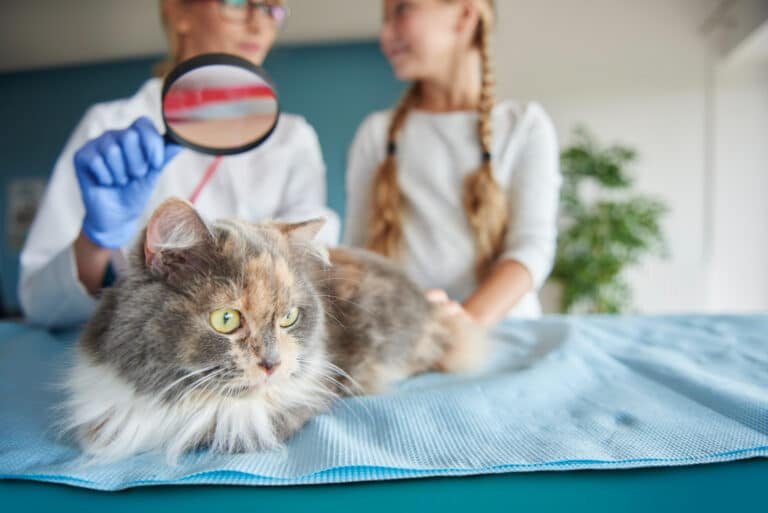
This is part of my cat’s health checklist. Once a month, I do a more thorough examination than my daily quick look.
Peek inside the ears for dirt or redness. Make sure eyes are clear and not goopy. Lift the lips and check the gums and teeth. According to the American Veterinary Medical Association, dental disease is super common in cats, so keeping an eye on those teeth matters.
You’re not playing vet here. You’re just learning what normal looks like for your cat.
4. Flea and Tick Treatment
My flea treatment is monthly. Even though Milo never goes outside, fleas can hitch a ride on my clothes or shoes. Better safe than sorry.
Whatever product you use, put it on your calendar with feeding and vet check reminders so you don’t miss it.
5. Supply Check
Once a month, I look at what I’ve got left. Running low on food? Order now. Almost out of litter? Add it to the shopping list.
I learned this lesson after running completely out of cat food on a Sunday night. Had to drive to three stores to find the one specific brand Milo will actually eat.
6. Deep Clean the Toys
Fabric toys go in the washing machine in a mesh bag. Plastic and rubber toys get scrubbed with dish soap. This keeps everything sanitary.
How to Create a Cat Care Schedule That Works
Here’s my advice: don’t overcomplicate this. I tried using fancy pet care apps and complicated spreadsheets. Know what actually worked? A paper calendar on my fridge and phone reminders.
For weekly tasks: I set a recurring Sunday morning alarm. When it goes off, I grab my supplies and knock everything out in one go.
For monthly tasks: They’re written on the first of every month on my kitchen calendar in red marker. Can’t miss them.
Keep supplies together: Everything I need – brush, nail clippers, cleaning stuff – lives in one basket under the sink. No hunting around for things.
The goal with any cat care routine for busy owners is to make it so easy that you actually do it. Perfect is the enemy of good here.
Read more: Get the do’s and don’ts for a first-time cat parent.
When Your Schedule Needs Adjusting
Kittens need different care than adult cats. Senior cats (7+ years) need more monitoring. If your cat has health issues, your vet might recommend additional tasks.
I’ve got one cat, so this schedule works. Multiple cats? You might need to clean litter boxes more often or adjust feeding times.
Also, seasons matter. Summer means more flea prevention. Winter means Milo sheds less. Adjust as needed.
Don’t Skip Visiting the Vet

Even with the best weekly and monthly cat care checklists, annual vet visits are non-negotiable. Senior cats should go twice a year.
The American Animal Hospital Association recommends regular wellness exams because they catch problems early. Things like kidney disease or diabetes show up in blood work before you’d notice anything wrong.
I schedule Milo’s next appointment before leaving the vet’s office, every single time. That way it’s on the books, and I don’t forget.
My Honest Take on Cat Care Schedules
Look, some weeks I’m on top of everything. Other weeks, life happens, and I’m scrambling to catch up. That’s normal. The point isn’t being perfect. It’s being consistent enough that your cat stays healthy and you catch problems early.
This monthly cat maintenance guide seems like a lot written out like this, but in practice? It’s maybe 30 minutes a week and an hour a month. Totally manageable. Start with what feels doable. Get those habits solid. Add more as you go. Your cat will be fine as long as you’re paying attention and handling the basics.
Milo doesn’t care if I brush him on Sunday or Monday. He cares that I do it regularly, keep his space clean, and notice when something’s off. You don’t need to be a perfect cat owner. Just a consistent one. That’s the whole secret.