How to Train an Older Cat to Use a Litter Tray
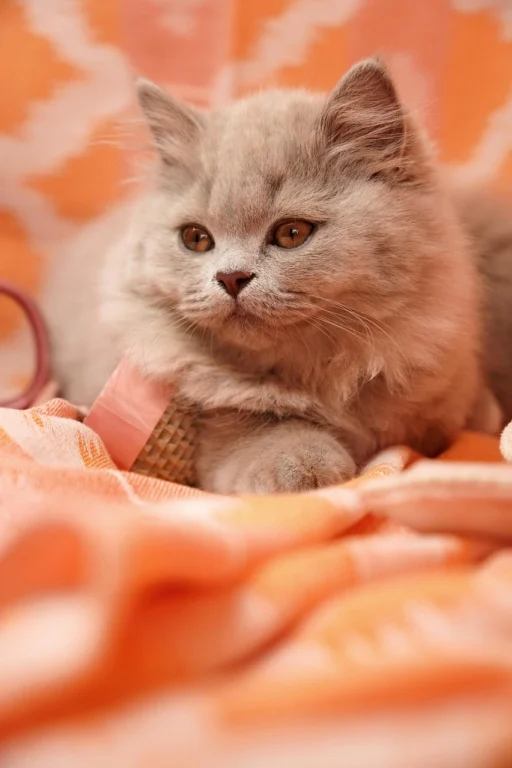
Training an older cat to use a litter tray isn’t just about cleaning up after a few accidents. It’s about understanding why your cat is suddenly behaving differently, and gently guiding them back to good habits.
Many people assume that older cats “should know better,” especially if they’ve been using a tray their whole lives. But as cats age, their needs change, and so do their bodies. Joint pain, declining senses, stress, and even confusion can make them avoid the litter tray—even when they want to use it.
In this guide, I’ll walk you through exactly how to train an older cat to use a litter tray confidently again.
Whether you’ve adopted an older cat who never learned proper litter habits or you’re retraining your long-time companion, you’ll find expert-backed tips that are gentle, effective, and made just for aging felines.
Why Older Cats Stop Using the Litter Tray
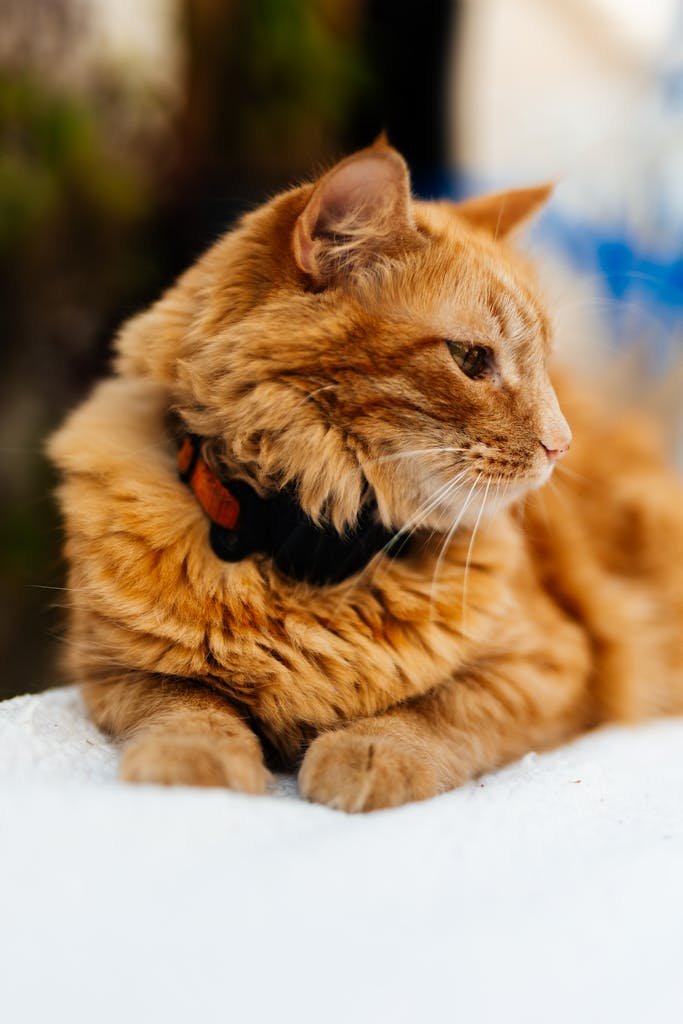
Photo credit: Ludovic Delot
When a senior cat starts avoiding the litter tray, it’s not stubbornness; it’s usually discomfort. Your cat might not be feeling well, or the tray might be too hard to reach or use. As a result, many cats look for “easier” alternatives, like soft rugs, corners, or beds.
Here are some of the most common causes behind this behavior:
👉Learn more about how to litter train a cat
1. Physical Pain or Health Problems
This is the number one reason older cats stop using the tray. Arthritis makes it painful to squat or climb into high-sided boxes. UTIs or kidney problems can make litter trips urgent, or even painful. And older cats sometimes suffer from cognitive decline, making it harder for them to remember where the tray is or how to get there in time.
That’s why your first step should always be a vet visit. A physical checkup and basic urine test can quickly rule out pain, infection, or illness and make sure your cat isn’t suffering silently.
🐾 Why it matters: If your cat is in pain or sick, no amount of training will work until that issue is addressed.
2. Uncomfortable or Inaccessible Litter Tray
Think of it from your cat’s point of view. If your knees ached and you had to climb into a high bathtub to use the toilet, would you do it every time? Probably not. The same goes for older cats.
Tall-sided trays, narrow entrances, or covered designs can be hard to access or feel unsafe. Your cat may try once, struggle to get in or out, and then avoid it next time. And if the tray is too small, it can be hard for them to turn around or find a clean spot.
What helps:
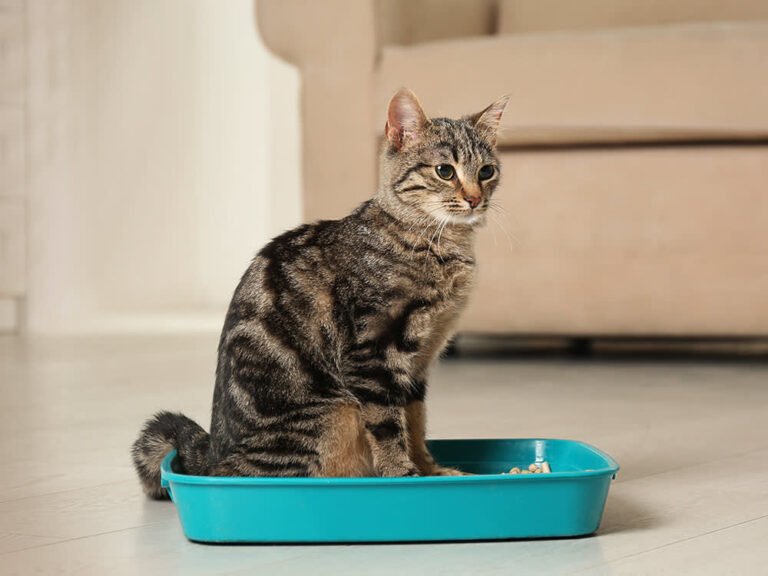
Switch to a low-sided, open tray that your cat can walk into without jumping. Make sure it’s large enough for them to move comfortably. If your cat has arthritis, try putting a soft mat under and around the tray for extra stability and cushioning.
Why it matters: A physically accessible litter tray reduces pain, fear, and frustration. Those are key reasons cats start going elsewhere.
3. Discomfort with the Litter Itself
Older cats often develop sensitivities to textures and smells. A litter that once felt fine may now be irritating to their paws. Or a new scented litter might overwhelm their aging sense of smell.
If your cat is stepping in and then jumping out or avoiding the box completely, they may not like how the litter feels or smells.
What helps:
Use a soft, fine-grain clumping litter that’s unscented and low in dust. These are more gentle on sensitive paws and noses. If you’re switching litter, do it gradually by mixing the new one with the old over a few days.
Why it matters: Litter texture and scent can make or break your cat’s willingness to use the tray. Make it as comfortable as possible.
To summarize:
Older cats usually stop using the tray because of pain, accessibility issues, or sensory discomfort. Once you identify what’s wrong and adjust the setup to meet your cat’s aging needs, you’ll be in a much better position to retrain them successfully.
Step-by-Step Training Process for Older Cats
Having worked with many senior cats over the years, both my own and through local rescue groups, I’ve seen firsthand how different the training process is for older felines compared to younger ones. These cats aren’t just being difficult; they’re trying to tell you something. They want to do the right thing, but the environment, their body, or their routine may be getting in the way.
Here’s the exact step-by-step process I’ve used successfully to retrain older cats to use the litter tray again:
Step 1: Start with a Vet Visit
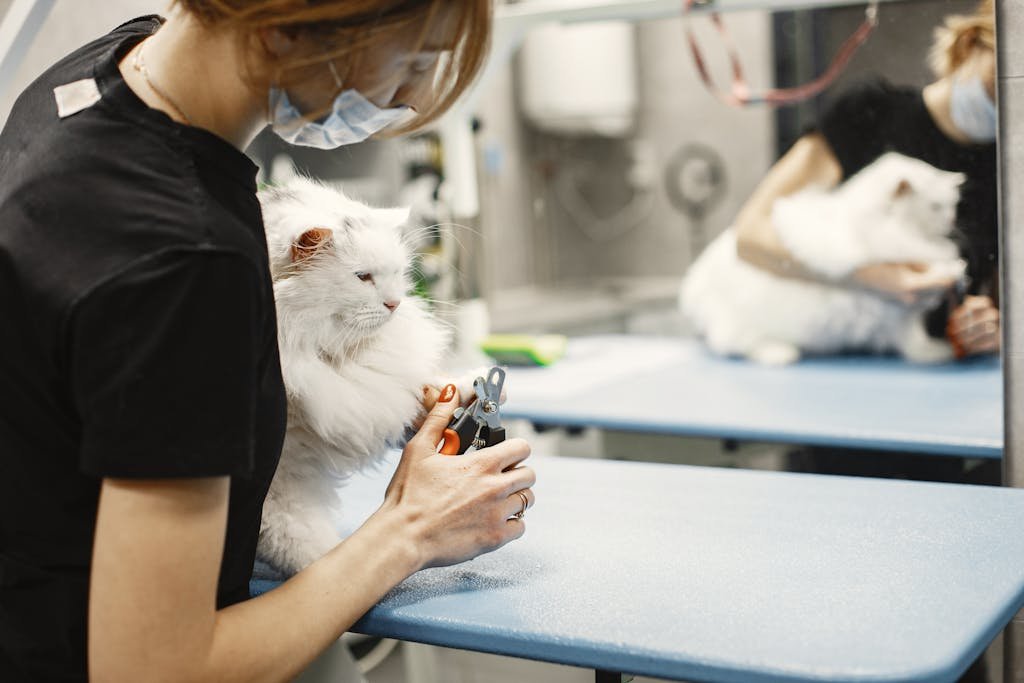
Photo credit: Gustavo Fring
This might sound repetitive, but I can’t stress it enough: before retraining, you need to rule out medical issues. I once had a 12-year-old tabby who suddenly started peeing on the carpet. At first, I thought it was behavioral, but a quick checkup revealed arthritis in her hips. With some pain relief medication and a better litter tray, the accidents stopped.
So if your older cat has suddenly stopped using the tray, ask your vet about:
- Arthritis or joint pain
- Urinary tract infections (UTIs)
- Kidney disease or diabetes
- Cognitive dysfunction syndrome (similar to dementia)
Even mild discomfort can be a dealbreaker when it comes to litter habits. Once you’ve ruled out medical causes or started treatment, you’ll have a much better chance of success.
Step 2: Switch to a Senior-Friendly Litter Tray
Now that you’ve taken care of health concerns, it’s time to upgrade the litter tray setup.
Here’s what I’ve learned works best for older cats:
- Low-entry trays (about 2–3 inches tall) so they can step in without lifting their legs too high
- Wide and spacious designs, giving them room to turn comfortably
- Open-top trays, since covered ones can feel claustrophobic or hard to enter
- Non-slip mat underneath to keep it stable and catch any litter spills
I’ve also used storage box lids or DIY trays in a pinch—anything that gives them easy access without a struggle.
Why it works: Older cats are more sensitive to effort and discomfort. A tray that’s easy to access removes one of the biggest physical obstacles.
If you’re not sure which tray to get, I usually recommend starting with a basic high-quality open tray designed for senior or arthritic cats. They’re affordable and make a huge difference.
Step 3: Make Litter Comfortable and Familiar
Once your tray is sorted, it’s time to think about what’s inside. Over the years, I’ve tested all kinds of litters, and one thing is clear: older cats prefer what’s comfortable, not what’s trendy.
That means:
- Unscented clumping litter (no perfumes or artificial smells)
- Soft, fine-grain texture that mimics sand or dirt
- Low-dust formulas, especially if your cat sneezes often or has asthma
I once retrained an 11-year-old rescue who absolutely refused pellet litter. As soon as I switched to soft, sandy clumping litter, he was in the tray that same night. Lesson learned: what feels good on our hands doesn’t always feel good on their paws.
✅ Pro Tip: If you’re transitioning from one litter to another, do it slowly—mix the new litter with the old one over 3–5 days to avoid confusing your cat.
Also, avoid cleaning products with bleach or citrus around the tray. These strong smells can linger and make the area less inviting.
Placement & Environment Setup
Where you place your older cat’s litter tray plays a huge role in whether they’ll use it consistently. From my experience working with senior cats, I’ve learned that many owners overlook this simple but crucial step.
Older cats prefer quiet, calm places where they feel safe and won’t be disturbed. Loud noises, busy hallways, or cluttered rooms can stress them out and cause them to avoid the tray.
Here’s what to keep in mind:
- Find a peaceful spot: Bathrooms, laundry rooms, or quiet corners work well because they have low foot traffic. This gives your cat privacy to do their business without feeling rushed or scared.
- Avoid places near loud appliances: Machines like washing machines or heaters can startle cats. Avoid placing the tray near these.
- Separate from food and water: Cats instinctively don’t like to eliminate near their eating areas. Keep the litter tray several feet away from bowls to respect this natural preference.
- Easy access: Make sure your cat doesn’t have to climb stairs, jump over obstacles, or walk on slippery floors to reach the tray. Older cats may have mobility issues that make complex routes difficult.
- Multiple trays: If you have a larger home or more than one cat, consider placing multiple trays on different floors or rooms. This reduces stress and makes it easier for your cat to find a tray when needed.
By thoughtfully setting up the environment, you’re removing barriers and making your cat’s litter box a safe, inviting place.
Encourage & Reinforce the Behavior
Training an older cat isn’t about harsh discipline; it’s about gentle encouragement and creating positive associations.
Here’s what I’ve found most effective:
- Establish a routine: Cats love consistency. Feed your cat at regular times each day, and encourage them to visit the litter tray shortly afterward. This timing takes advantage of their natural urge to eliminate after eating.
- Watch for signs: Keep an eye out for behaviors like sniffing, circling, or crouching—these often signal your cat needs to use the tray. When you notice, calmly guide your cat to the tray, but don’t force them. Let them explore at their own pace.
- Positive reinforcement: When your cat uses the tray successfully, praise them softly or offer a small treat if they’re food motivated. Some cats respond well to gentle petting or simply quiet acknowledgment. The goal is to make the tray experience feel rewarding.
- Maintain cleanliness: Older cats are more sensitive to smells and dirt. Scoop the litter at least once daily and fully clean the tray weekly to keep it fresh. A clean tray encourages regular use and prevents accidents caused by avoidance.
- Be patient: Older cats may take longer to relearn habits. Celebrate small wins, like approaching the tray or stepping inside, even if they don’t eliminate immediately.
By combining routine, observation, rewards, and cleanliness, you’re creating a supportive environment for your cat to succeed.
Mistakes to Avoid When Training Older Cats
In my years helping senior cats and their owners, certain pitfalls stand out that can make training harder or even cause setbacks. Avoiding these mistakes will save you time and frustration.
- Using high-sided or covered trays: While some cats like privacy, many older cats find high sides or covered trays difficult or scary. They may feel trapped or struggle to step in and out.
- Changing litter types too quickly: Switching litters abruptly can confuse your cat and cause avoidance. If you need to switch, do it gradually over several days.
- Punishing accidents: Scolding or punishing your cat creates fear and anxiety, which can worsen the problem. Instead, clean accidents calmly and redirect to the tray.
- Ignoring health issues: Don’t assume behavior is stubbornness. Always rule out medical problems first.
- Neglecting tray cleanliness: A dirty litter tray is a major reason cats go elsewhere. Scooping daily and washing regularly is essential.
- Placing trays in noisy or busy areas: Loud or high-traffic locations deter older cats from using the tray.
By steering clear of these mistakes, you give your cat the best chance to learn and keep good habits.
Troubleshooting Common Issues
Even with the best care, you may face challenges. Here’s how to tackle the most frequent problems:
| Vet check, maintain a consistent routine | Possible Cause | How to Fix It |
| Peeing outside the tray | Pain, dirty tray, or stress | Visit vet, clean tray thoroughly, provide calm space |
| Inconsistent use of the tray | Litter dislike or wrong location | Try new litter, move tray to quieter spot |
| Avoiding tray when watched | Anxiety or fear | Give privacy, avoid hovering, use calming aids |
| Spraying or marking behavior | Territorial stress or anxiety | Spay/neuter, reduce stress, provide more litter boxes |
| Sudden accidents or changes | Medical problems or confusion | Vet check, maintain consistent routine |
Patience and careful observation help you find the root cause and apply the right fix.
FAQs
Can older cats learn to use a litter tray if they never did before?
Absolutely. Older cats are very capable of learning new habits, including litter tray use. The key is patience and consistency. Unlike kittens, they may take longer to adjust, especially if they have ingrained behaviors or past negative experiences. Creating a comfortable, accessible litter area and addressing any health issues can make a big difference in helping an older cat successfully learn to use the tray.
What type of litter tray is best suited for senior cats?
Senior cats need trays that are easy to access and comfortable to use. Low-sided, open trays are ideal because they don’t require jumping or stepping over high edges, which can be painful for cats with arthritis or limited mobility. The tray should also be large enough to allow your cat to turn around easily. Covered or high-sided boxes are often avoided by older cats due to feelings of confinement or difficulty entering.
Should I use scented litter for my older cat?
It’s best to avoid scented litter for older cats. Their sense of smell can become more sensitive with age, and strong fragrances may deter them from using the litter tray. Unscented, fine-grained clumping litter tends to be more comfortable and inviting for senior cats. Additionally, low-dust formulas help reduce respiratory irritation, which can be a concern for older cats.
How often should I clean the litter tray to keep my senior cat using it?
Cleanliness is crucial, especially for older cats who are often more sensitive to odors and mess. Scoop waste from the tray at least once daily to keep it fresh. A full cleaning—emptying the litter, washing the tray with mild, unscented soap, and refilling with fresh litter—should be done weekly. Keeping the tray clean reduces the chance of your cat avoiding it due to unpleasant smells or dirty litter.
My cat has arthritis; how can I make the litter tray easier for them to use?
For cats with arthritis, making access to the litter tray as easy and pain-free as possible is essential. Use a tray with low entry points so they don’t have to step over high sides. Place the tray on a non-slip surface to prevent slipping when entering or exiting. Additionally, position the tray in a quiet, easily accessible area to minimize walking distance and obstacles. Soft litter that cushions their paws can also help reduce discomfort.
What should I do if my older cat suddenly starts having accidents outside the litter tray?
Sudden changes in litter habits often signal an underlying problem. The first step is to schedule a veterinary checkup to rule out medical issues like urinary tract infections, kidney problems, or arthritis pain. Meanwhile, ensure the litter tray is clean, accessible, and comfortable. Stress or environmental changes (like new pets or moving) can also cause accidents, so provide a calm, consistent environment. If necessary, confine your cat temporarily to a small space with easy access to the litter tray to rebuild good habits.
Conclusion
Helping an older cat use a litter tray again takes more than just setting down a box and hoping for the best. It requires understanding their physical needs, adjusting the environment, and using gentle, consistent encouragement.
From my years of experience caring for senior cats, I can say that it is not that hard to litter train a cat. Patience and empathy are your greatest tools in this journey. When you prioritize your cat’s comfort through vet checks, accessible trays, and a quiet setup, you set the stage for success.
Remember, every little step forward is a victory. Your older cat is relying on you to make their later years as comfortable and happy as possible, and retraining them to use the litter tray is one of the kindest gifts you can give.
You’re doing amazing work. Keep going.