Pregnant Cat Care Tips for a Safe Delivery: The Ultimate Guide
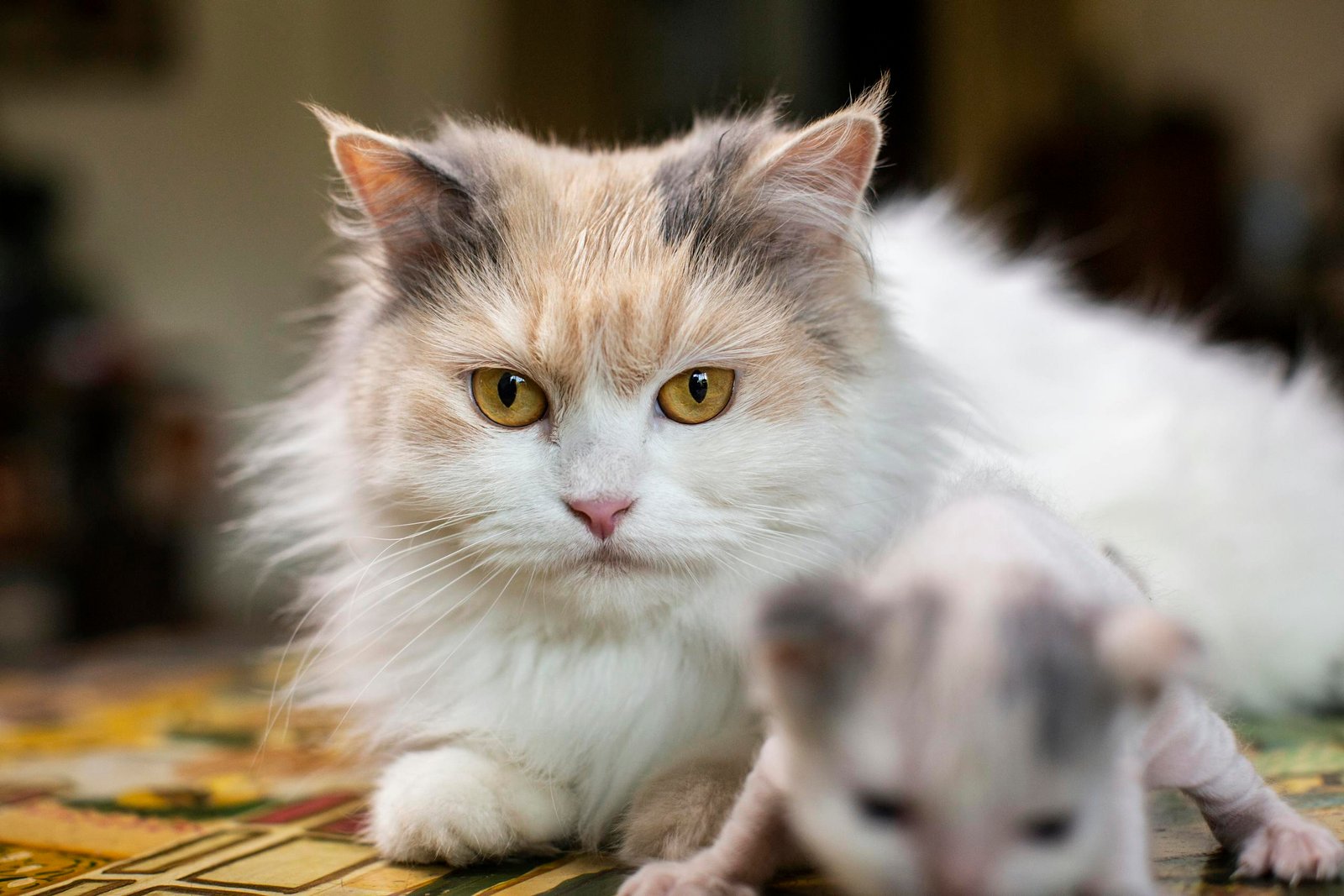
So, your furry housemate is expecting! You’ve probably got a knot of nerves and a dozen questions, like “How do I ensure a safe delivery?”
But seriously, don’t sweat it. Your cat is built for this. While she’s a superstar, your role as her support staff is still critical. Providing excellent pregnant cat care is all about preparation, patience, and knowing when to step in.
This guide walks you through the entire cat pregnancy tips checklist. We’ll ensure you’re confident in managing her health, preparing the perfect nursery, and spotting those key signs your cat is about to give birth. Get ready! Those tiny, beautiful arrivals are almost here.
Essential Cat Prenatal Care for a Healthy Mom
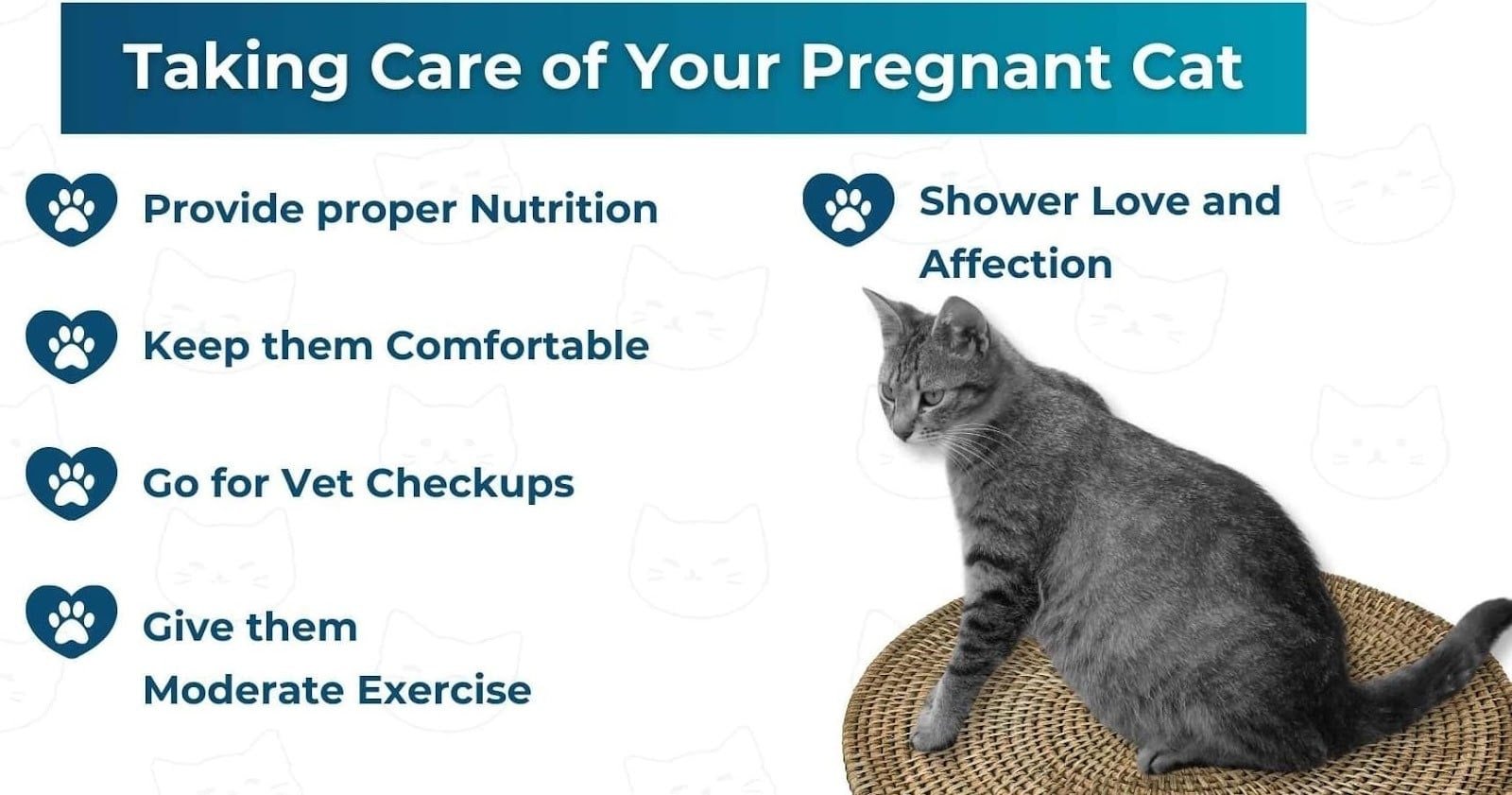
That whole caring for expecting cats adventure really kicks off the moment your vet confirms she’s pregnant. Your primary focus during the first month should be nutrition and health checkups.
👉Read more about the complete beginner’s cat care guide!!
The Non-Negotiable Vet Check
Forget everything else for a second and just pick up the phone. Calling your veterinarian is the single most important action for taking care of a pregnant cat at home. They can confirm the pregnancy and give you an estimated due date. For reference, VCA Animal Hospitals suggests the whole gestation period can be about 63 to 65 days.
They will also discuss essential treatments. Standard flea and worming medicines can be dangerous to developing kittens. Your vet can recommend safe treatments. Remember, for a truly safe delivery, the queen needs to be healthy long before labor begins.
Feeding a Pregnant Cat is Crucial
Look, your queen needs serious fuel. She’s burning through energy like crazy! The biggest change you’ll make in her feline prenatal care is her diet. You need to start feeding a pregnant cat food packed with extra calories, protein, and calcium.
Here’s the plan:
👉Learn more about how to litter train your stray cat!
How to Prepare Your Cat For Labor?
The final two weeks of pregnancy are all about preparing for the cat to give birth. Your cat’s instincts will kick in, and you’ll see a dramatic shift in her behavior.
Signs of Cat Nesting Behavior
Around the end of the pregnancy, your cat’s instincts will go nuts, and she’ll show cat nesting behavior: looking for a secure, hidden spot for the babies. Your mission is simple: offer her the perfect option and hope she uses it.
Signs of Cat Labor Are Your Early Warning
Knowing the signs of cat labor will help you relax and be ready. About 12-24 hours before the kittens arrive, look for these key indicators:
|
Sign |
What to Look For |
What to Do |
|---|---|---|
|
Temperature Drop |
Her temperature drops below 100°F |
Keep the birthing area warm and prepare to settle in for the next 24 hours. |
|
Restlessness |
Pacing, meowing a lot, panting, and constantly repositioning in the nest. |
Monitor quietly from a distance; do not hover. |
|
Grooming Frenzy |
Excessive licking, especially around her belly and vulva area. |
Let her groom; she is stimulating the area. |
|
Loss of Appetite |
She stops eating entirely a few hours before active labor begins. |
Remove old food, but ensure water is easily accessible. |
What to Do When Your Cat Is in Labor?
The clock is ticking! Fortunately, most cats don’t need human intervention. She’s got this. Your role during the cat birthing process is simple: watch from a safe distance and know what to look out for. Once those visible uterine contractions start, you’re officially in the three-stage process:
When to Seek Immediate Veterinary Help?
This is the scary part, but you have to know it. While you’re doing great with the pregnant cat care tips for safe delivery at home, some things just require a professional. You need to call the vet immediately if you see any of the following warning signs:
Post-Delivery Care and Recovery
Congratulations! You’ve successfully navigated feline prenatal care and delivery. Now the priority shifts to the new family.
Keep the environment calm and warm. Make sure the mother has constant access to that high-calorie kitten food and water right next to the nest. Her need for food will be at its peak while she’s nursing.
Most importantly, schedule a post-birth checkup for the queen and the entire litter. Your vet needs to confirm that the queen is recovering well and that every kitten is healthy.
By following this plan, you’ll ensure your queen has a comfortable pregnancy and that you’ve done everything right to achieve a truly safe delivery for her and the beautiful litter of kittens. You’ve got this!