Fearful Cat: What to Do & How to Help

A fearful cat is not a lost cause. Give them a quiet, safe space, respect their pace and body language, and enlist your vet’s guidance to rule out health issues and build confidence through gentle, positive experiences. With patience and the right strategy, even timid cats can feel secure and loved.
TL;DR
A Personal Introduction
I’ve always been a “cat person,” but nothing prepared me for the nervous little bundle I adopted a few years ago. Her name was Willow, and she spent the first week wedged behind my couch. Every creak of the floorboard sent her scurrying for cover. If you’re reading this, you might have a Willow of your own – a fearful cat that needs more than a few chin scratches to feel safe.
Here’s the thing: helping a scared or fearful cat is not about “fixing” them. It’s about meeting them where they are, understanding what makes them anxious, and slowly building trust. Let’s dig into why cats become fearful, how to recognize scared cat behavior, and what you can do to help your feline friend feel at home.
Bonus: Learn the steps to train a cat to use a scratching post to stay calm.
Why Do Some Cats Fear People or New Situations?
Nature, Nurture, and Experiences
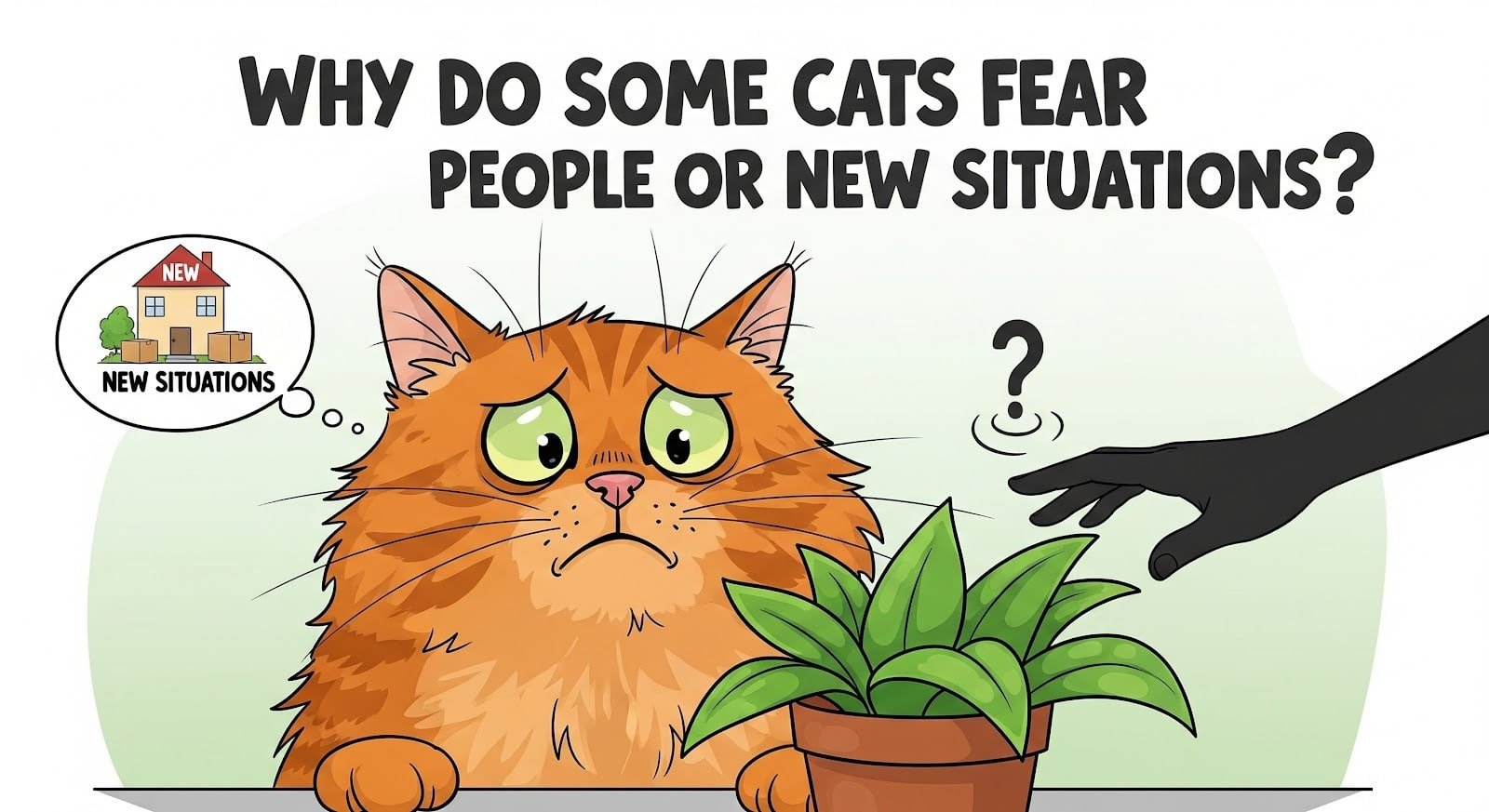
Just like people, cats have unique personalities. Some are born outgoing; others lean toward timid cats. Genetics plays a role – some cats are naturally cautious. Lack of early socialization is another big factor. Kittens not exposed to people, sounds, and different environments during their first eight weeks may become frightened adults. Negative experiences also leave their mark. A traumatic event, such as a loud firework or rough handling, can trigger ongoing fear.
Veterinarian Dr. Hannah Hart notes that even one intense traumatic experience can turn into lifelong fear and anxiety, so addressing those fears early gives your cat the best chance at overcoming them.
Environment matters
Cats are sensitive to change. New pets, guests, or even moving furniture can make them anxious. The Wisconsin Humane Society points out that shelter cats often lack early socialization with humans, making them wary when first adopted. Loud homes or inconsistent routines can also increase stress. Recognizing these factors helps you tailor your approach to cat fear management.
Spotting the signs of fear
Reading cat body language
Cats communicate more with posture and gaze than with meows. A scared cat may hiss, growl, hide or tremble. Look for flattened ears, dilated pupils, and fur standing on end. The Humane Society of Western Montana lists other subtle cues: weight shifted backwards, crouched posture, or a frozen body. Running away or cringing when approached also signals anxiety. Paying attention to these signals means you can intervene before fear escalates into cat fear aggression.
Triggers and patterns
Keep a journal of when fear appears. Is it the vacuum? Strangers? The carrier? Monitoring triggers lets you prepare safe spaces or distractions ahead of time. If fear seems sudden or unexplained, schedule a vet visit; sudden hiding or “spooky” behavior can indicate pain or illness. Trust me – cats hide illness well, so don’t assume it’s just nerves.
Setting up a Safe Haven
The launch room
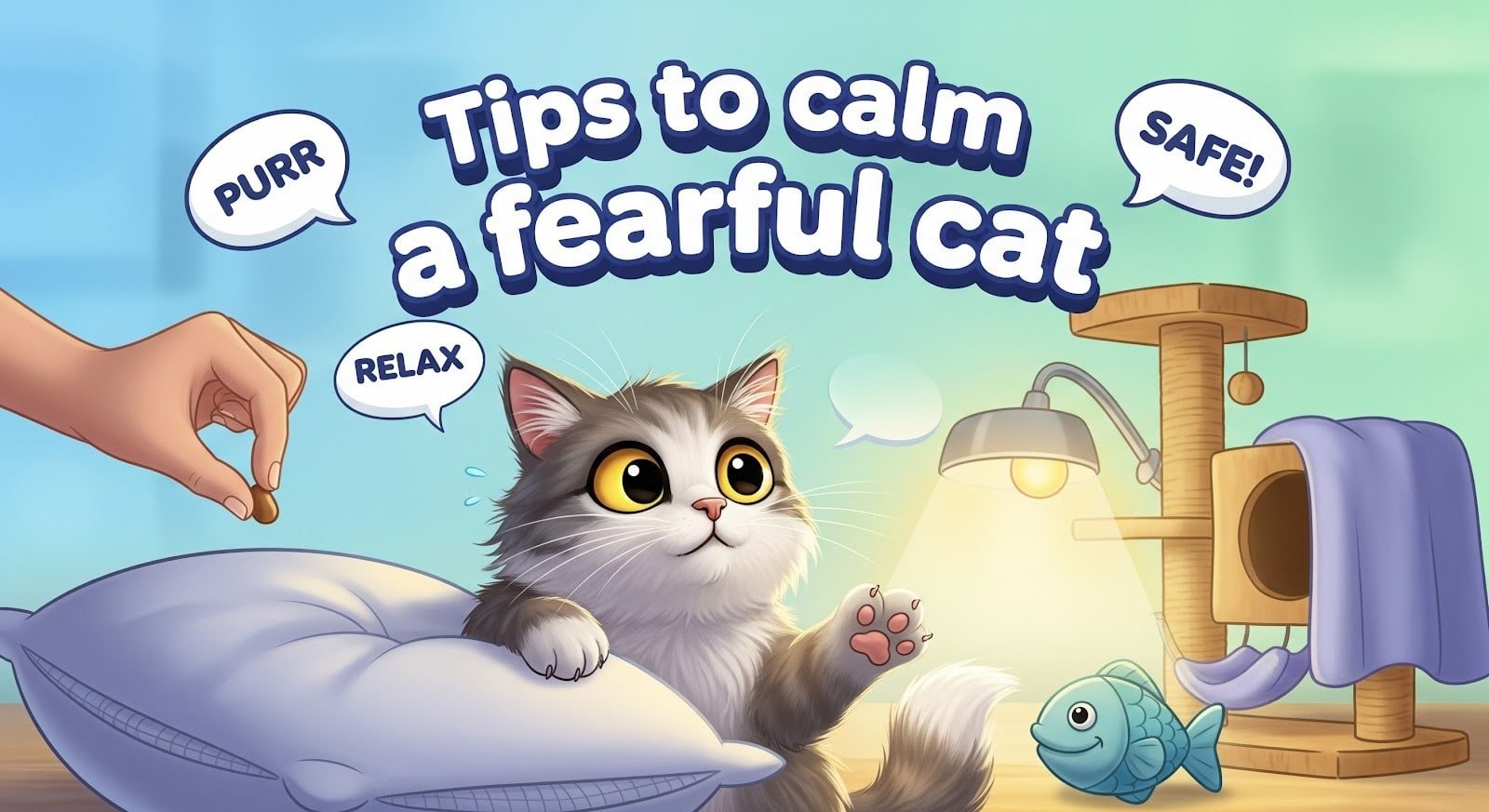
One of the most effective shy cat tips is to give them their own space. The Wisconsin Humane Society recommends isolating a fearful cat in a quiet, low‑traffic room with food, water, toys, a hideaway and two litter boxes. This “launch room” functions like a studio apartment: your cat has everything they need and does not have to venture out until they’re ready. If space is limited, one litter box is fine initially; add a second when they explore more of the house. Block cracks under doors to prevent other pets from peeking in and startling them.
Hiding places and vertical territory
Cats feel safer when they can survey their surroundings from a high perch. Provide cardboard boxes, covered beds or cat trees so they can retreat and observe. RSPCA Queensland suggests offering high resting places like tall cat stands or boxes on cupboards to help them cope with stress. Multiple safe zones throughout your home – cubbies, perches, cat trees – give your nervous kitty escape routes when guests visit. Respect their hiding spaces; pulling them out will only heighten fear.
Keep a routine
Cats thrive on predictability. Feed and interact with them at the same time each day. When everything else feels uncertain, a dependable routine signals safety. Start by entering the room only to provide food, water and clean the litter box during the first 24–72 hours. Leave a tasty treat behind as you go; this helps them associate you with positive experiences. RSPCA’s top tips echo this advice: go at your cat’s pace and use calm, consistent interactions with soft words and tasty food.
Learn More: Cat care routine to make your indoor cat happy!
Building trust: gentle interactions
Let them come to you
Here’s where patience really comes into play. After a few days, sit quietly in the room with a plate of high‑value food placed near your cat. Read a book or watch a show with headphones (no loud noises!). Avoid direct eye contact – slow blinks signal friendliness. If your cat emerges, don’t rush over; simply enjoy the moment and let them associate you with delicious treats and calm energy. Cats are predators and prey; having control over interactions makes them feel safe. The Cats Protection guide stresses that direct approaches are threatening, so socializing scared cats means sitting quietly and letting them initiate contact.
Positive reinforcement
Rewarding calm or curious behavior helps your cat form good associations. Offer treats, gentle praise or quiet play when they step out of hiding. Wand toys allow interaction without forcing close contact. Puzzle feeders and interactive toys provide stress‑relieving enrichment and build confidence. Remember: short, frequent sessions work better than long ones – overexposure overwhelms timid felines.
The power of scent and slow blinking
Synthetic pheromones mimic calming maternal pheromones and can reduce tension in the home. Diffusers like Feliway are often recommended; plug one in away from litter boxes and use one per 700 square feet. Calming collars or probiotics may also help manage anxiety. And don’t underestimate the “slow blink.” Cats use it to signal relaxation; returning the gesture reassures them and strengthens your bond.
Gradual exposure and desensitization
Expanding territory
Once your cat moves comfortably around their safe room and solicits attention, you can open the door to a new section of the house. Always allow them access to their original room for retreat. Introduce one room at a time and block hiding spots in new areas so they choose their safe room instead of vanishing under a couch. This process may take weeks or months – let your cat dictate the pace. RSPCA notes that shy cats often emerge cautiously to explore and should be returned to their launch room after a brief adventure to build confidence.
Counterconditioning and desensitization
If your cat fears specific sounds or people, work with a veterinarian or certified behaviorist to implement desensitization. Start with the feared stimulus at a low intensity – like playing recordings of thunderstorms at a low volume – and reward your cat’s calm behavior. Gradually increase intensity only when they remain relaxed; if fear returns, step back to the previous level. The Humane Society of Western Montana offers a similar approach for fearful cats: pair treats with the sight or sound of the trigger and advance only when your cat is comfortable. These strategies require patience but can significantly reduce anxiety.
Mistakes to avoid
👉Bonus: Daily cat care routine to keep your cat happy!
When to seek professional help
Fear that persists despite your best efforts or interferes with daily life warrants professional evaluation. A veterinarian should rule out pain, illness or hormonal imbalances. Your vet may suggest anti‑anxiety medications such as pregabalin or fluoxetine for severe cases. Board‑certified behaviorists can design a customized plan that pairs desensitization with medication if needed. At the Humane Society of Western Montana, behaviorists also advise contacting their helpline for more suggestions if desensitization feels overwhelming. Don’t hesitate to reach out – helping nervous cats is a team effort.
Lifestyle notes and special situations
Multi‑cat households
Introducing a fearful cat to other pets requires patience. Exchange bedding so cats learn each other’s scent before meeting. After a week of separation, allow the cats to interact through a cracked door. Reward calm behavior with food during short, supervised sessions. Gradually increase interaction time only after several aggression‑free meetings. Keep one litter box per cat plus one extra; some cats won’t use a tray that another cat has soiled.
Helping nervous cats at the vet
Vet visits can terrify fearful felines. To reduce stress, leave the carrier in their safe room with treats inside days before the appointment so the cat associates it with good things. Ask your vet if you can wait in the car until the exam room is ready to avoid the commotion of the waiting room. After the visit, place the carrier in your cat’s safe room and let them exit when they’re ready.
Tips to calm a fearful cat (Quick guide)
FAQs
A Warm Farewell
Helping a fearful cat is less about “fixing” a problem and more about offering compassion. When I first met Willow, I didn’t think she’d ever venture out from behind the couch. But by giving her space, respecting her boundaries, and celebrating tiny milestones – her first slow blink, her first purr when I entered the room – we built a bond deeper than I ever expected. Your own nervous kitty may never become a social butterfly, and that’s okay. Meeting them where they are, giving them choices, and loving them for who they are will turn fear into trust. With time, patience, and understanding, you’ll watch your fearful cat blossom into a confident companion.