Baby Cat Care Tips for Raising a Kitten Right for First-Time Pet Owners

If you’re planning on bringing a kitten to your home, it can make you feel nervous and excited at the same time because raising kittens is a big responsibility. So, here is our guide with the best kitten care tips for first-time pet owners.
Getting a kitten as a first-time pet owner can be quite daunting because these fur babies are precious. Raising kittens means a lifetime commitment to taking care of them for almost 15 to 20 years. They are mischievous, prone to making a mess, full of energy and very needy, which makes baby cat care very time-consuming. Before you know it, your kitten will develop into a cat, so the care you provide to them in the early kitten growth stages will be essential. So, without further ado, here is our ultimate kitten care tips guide for learning how to take care of a baby cat at home.
Raising a Healthy Kitten Guide: Ultimate Kitten Care Tips for First-Time Owners

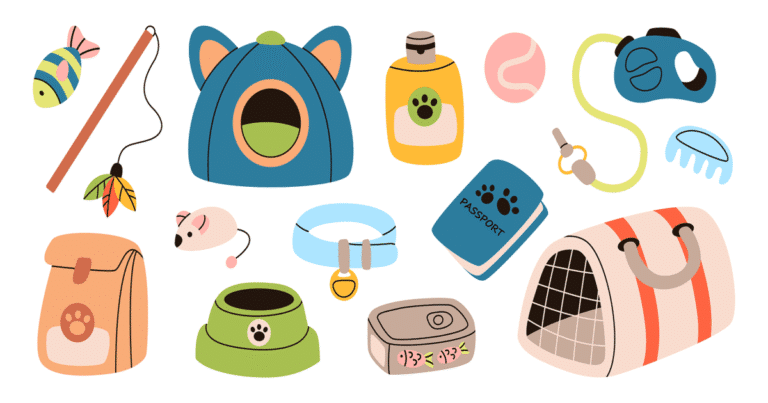
Giving your kitten a healthy start in life and taking all precautions to prevent future problems is the main priority when it comes to baby cat care. Learning how to take care of a baby cat has many different layers, like learning kitten feeding and grooming, kitten health and hygiene, besides litter training kittens. It depends not only on your individual kitten but also on their temperament and what they need. Having the new kitten essentials like food, litter and litter box is also necessary. So, here are the best general kitten care tips for first-time owners, step by step, for easy understanding:
Kitten Growth Stages and Knowing Your Cat’s Age
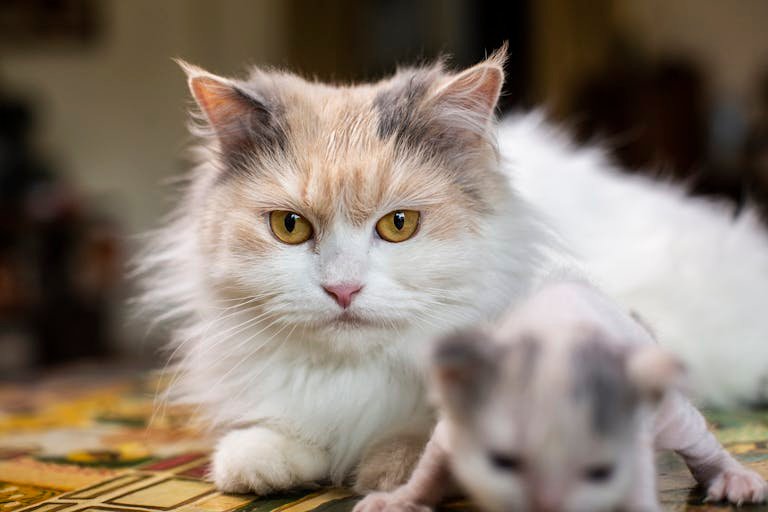
The first and foremost step to baby cat care is knowing your kitten’s age so you can take care of them accordingly. Every kitten has particular developmental needs for the first 8 to 10 weeks of their life. In most cases, kittens are given up for adoption before they reach the right age to be separated from their mother.
For this reason, the age of your kitten is more than just a number that you need to be aware of. If your kitten, by chance, is younger than 10 weeks, then you will have to learn the process of caring for newborn kittens. So, it is best if you verify your kitten’s age as soon as you get them.
Finding the Right Vet for Your Kitten
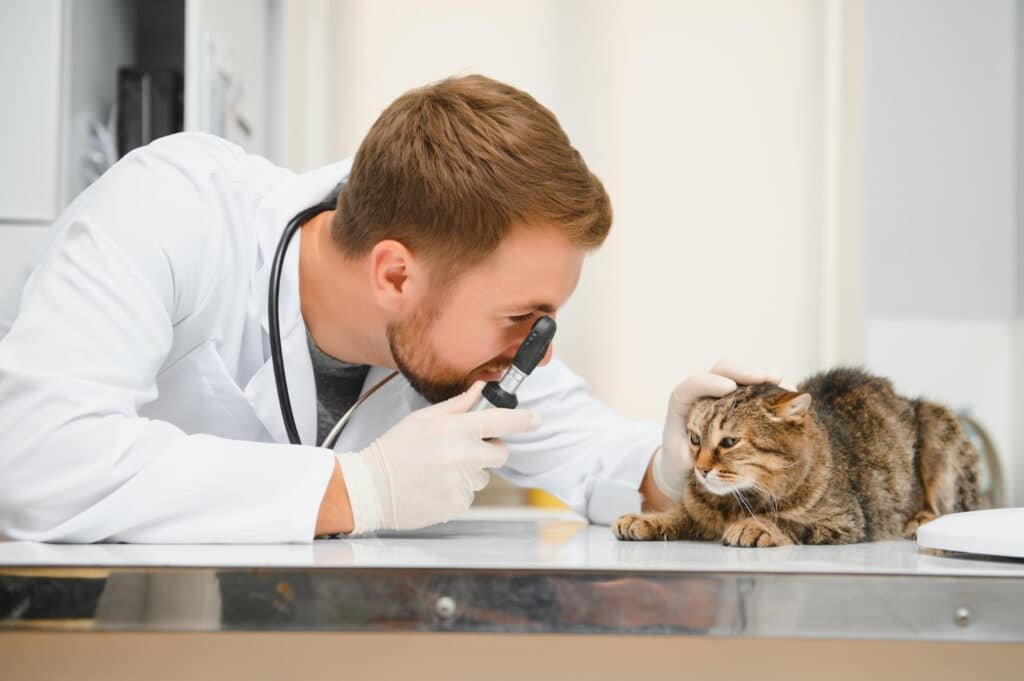
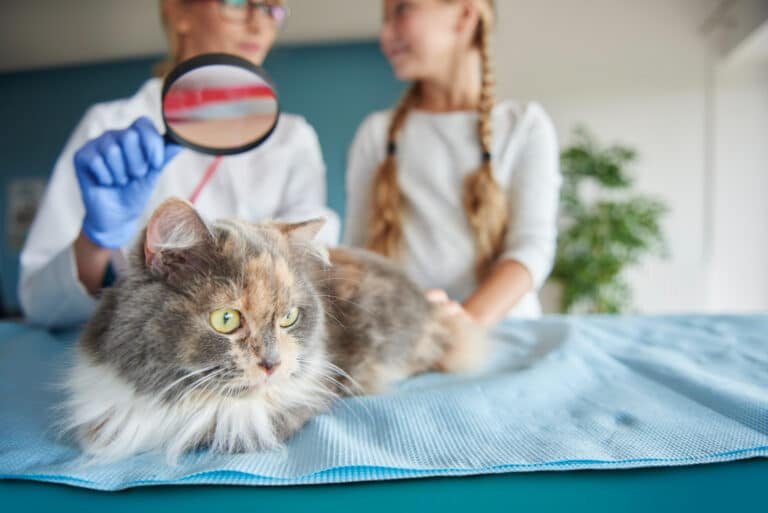
No matter where you get your kitten from, whether it is a friend or a shelter, it will need to be taken for a check-up or exam. For this reason, you need to find the right vet who will take care of your kitten and provide them with the right healthcare. If you don’t already have a vet chosen before you get your kitten, you need to find one. The best way to go about it is by asking fellow pet owners or your friends for recommendations. If you got your kitten from a shelter, ask them for their expert advice because they always have a vet they swear by for all treatment. You will need to get your kitten checked and vaccinated as soon as possible because not only is it for their health, but it is also for your health. Kittens can have various germs and diseases like parasites, leukemia, or even birth defects, besides having fleas, which can be harmful for you and them both.
👉Read more: Learn more about the world’s popular 25 cat breeds!
Developing a Kitten Feeding Schedule
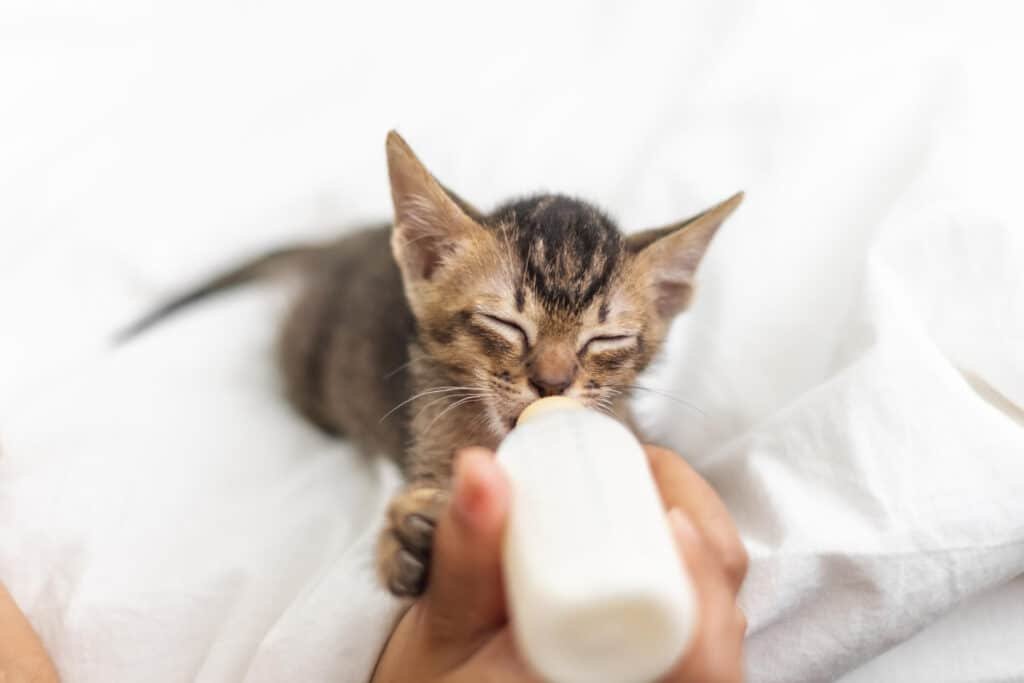
As your kitten is growing, so is their appetite, so you need to keep up with it accordingly. To deal with your kitten’s appetite, you will need to develop a daily feeding schedule. This feeding schedule will determine how much your kitten grows daily, such as gaining weight and getting stronger. Younger kittens will need to start by getting small amounts of food every 2-4 hours daily.
Then, you can increase the amount of food they eat daily based on their nutritional needs as dictated by your vet and how much weight they’re gaining. You will also have to carefully pick the commercial food for your kitten, because each cat has different taste buds. If they need to be bottle-fed, you will have to keep them warm and feed them based on the diet your vet gives you, which is typically every 2-4 hours daily and the time will increase daily with their weight.
Properly Litter Training Kittens by Stimulating Them
Cats are very smart creatures who learn fast and know how to survive. If you prepare a litter box in a quiet and accessible place and show them, they will typically know what to do and finish their business. But there are some odd ones in the bunch who need to be taught exactly how to use the litter box.
For those kittens and younger ones, you will need to stimulate them. For older kittens, whenever you see them digging around or sniffing corners, place them in the litter box so they learn that it is their place to defecate or urinate. If they still don’t use the box, try to gently grab their paws and make digging motions in the litter so they know to dig and do their business.
But how long it will take for your cat to get litter-trained? Well, that should eventually teach them to use the litter box if you do it consistently for a week or less.
Kittens who grow up to the age of 10 weeks with their mother are normally stimulated daily for urinating and defecating by her. If your kitten was not raised by their mother, you have the utmost important duty of stimulating it and teaching it to urinate and defecate.
To properly stimulate a kitten, once you are done feeding them, you need to use your finger covered by a tissue or cotton pad dipped in lukewarm water and left damp to gently rub on their lower abdomen, their genitals and rectum. Use gentle circular motions when rubbing on their body to properly stimulate their urinating and defecating process. Sometimes newborn kittens may not defecate or urinate for up to 48 hours; don’t be alarmed by it because that is normal, and they will do it eventually if you are consistent with the daily stimulation.
Monitoring kittens to notice signs of ill health
Last but not least, you need to keep an eye on your kitten to make sure they are not having any health issues. Symptoms like lack of energy, lack of appetite, and poor weight gain can indicate signs of illness, so keep an eye out for those. Not only that, unnoticeable symptoms like pale gums, swollen, red eyes or eye discharge or a swollen abdomen also need to be looked out for. Any kind of abnormality in their daily schedule is worth checking out, so be prepared to take them to the vet immediately if they show weird symptoms.
And with that, our kitten care tips guide is complete. If you’re planning on adopting a little fur baby into your home, this guide will help you prepare your home and yourself to welcome the kitten. So, don’t wait any longer and go get a kitten!