Indoor Cat Care 101: Tips You Should Know
Okay, I see you’ve decided to keep your cat inside. Good call! You’ve already given them the best defense against cars, predators, and nasty diseases, setting them up for a long, chill life.
But here’s the thing: since you’re keeping them inside, you’re the one who has to bring the excitement to them. Basically, you’re their new interior decorator, gym coach, and private chef, all rolled into one. No pressure.
We’re here today to cover the best indoor cat care tips for beginners, including teaching you how to nail cat diet and exercise.
Ready to learn how to keep your indoor cat happy and healthy? Let’s begin.
1. Building a Safe Indoor Environment for Cats
Okay, let’s hit pause before we dive into the fun stuff of 101 cat care tips. We need to talk about safety first. Even indoors, hazards are floating around, so take a minute to do a quick sweep and tuck away anything toxic. A safe indoor environment is the foundation of indoor cat care.
Seriously, did you know that everyday houseplants like lilies, sago palms, and cyclamen are actually super dangerous for your cat? Always double-check the plants you bring home. The ASPCA has a huge list of toxic and non-toxic plants that’s worth bookmarking.
Indoor Cat Essentials Checklist
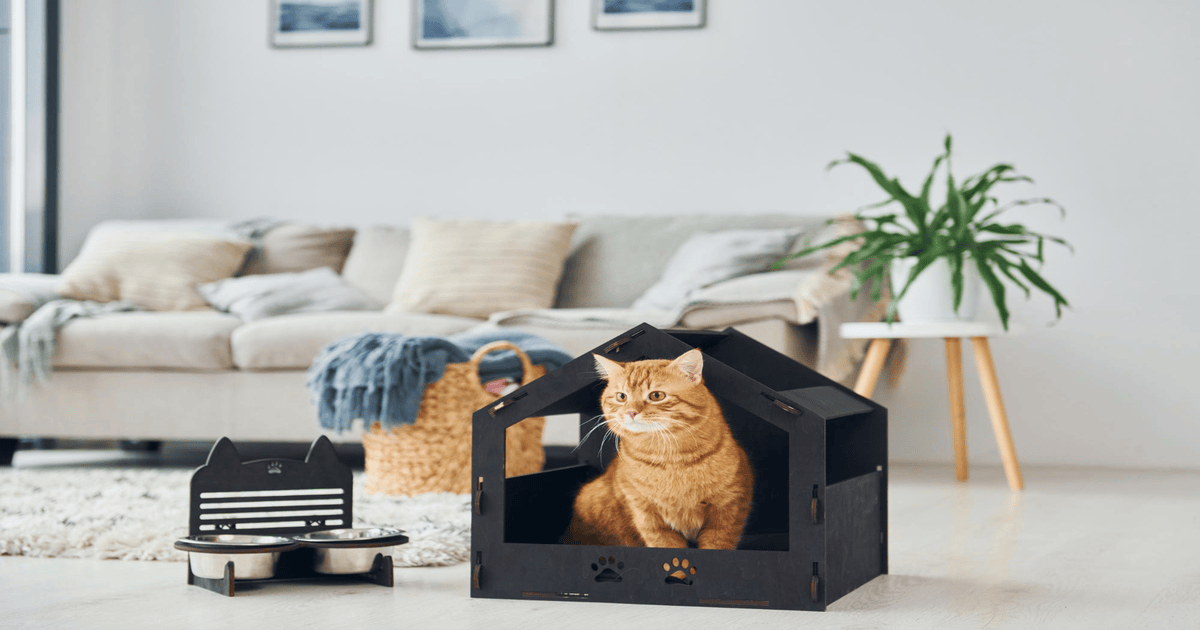
To ensure cat wellness, these essential items are must-haves as part of your indoor cat care itinerary. They’re the foundation of a happy indoor life:
Make it an Adventure: Go Vertical!
In the wild, cats climb trees to get a good lookout. You need to bring that “treetop” feeling inside. We call this cat enrichment.
2. Diet and Hydration: Keep That Waistline In Check

Keeping cats healthy indoors can feel tricky since these domestic pets burn way fewer calories than outdoor explorers, so managing their weight is a huge deal. Their diet is key to avoiding issues like diabetes and joint problems down the road.
Stop the Free For All
If you leave a bowl of food out 24/7 (we call that free feeding), you’re setting your cat up for weight gain. No thanks! Your best bet is asking the vet for a precise calorie target, then dividing that food into two or three measured portions for mealtime. This one change is the single biggest step you can take for their health.
Wet Food Wins for Water
Cats naturally don’t drink a lot of water. They used to get most of it from their prey. This means they are prone to urinary and kidney issues.
3. Banishing Boredom: Time to Hunt!
A bored cat equals a problematic cat. They get destructive, grumpy, or anxious. Your job is to channel their inner hunter and wear them out through playtime. Cat care starts with a playful, happy cat.
Don’t Just Play, Simulate the Hunt
This mental stimulation for cats is mandatory, not optional. You need to directly interact with them to mimic the thrill of a chase.
Supervised Nature Breaks
Your cat’s world isn’t just what they see. It includes smells and sounds too.
Remember, your cat uses their nose and ears just as much as their eyes. So, don’t leave all the toys out! Rotate them.
Keep most of their things put away and switch them out weekly. That old toy will suddenly become exciting again.
The best solution for outside FOMO is a catio: a secured outdoor patio. If you can build one, it’s awesome. They get all the real smells and fresh air without ever putting themselves at risk.
4. Wellness and Vet Checkups
Proper indoor cat enrichment isn’t just about feeding and playing; it’s about being observant. Since your cat can’t talk, a steady routine helps you spot subtle problems early.
Don’t Skip the Vet
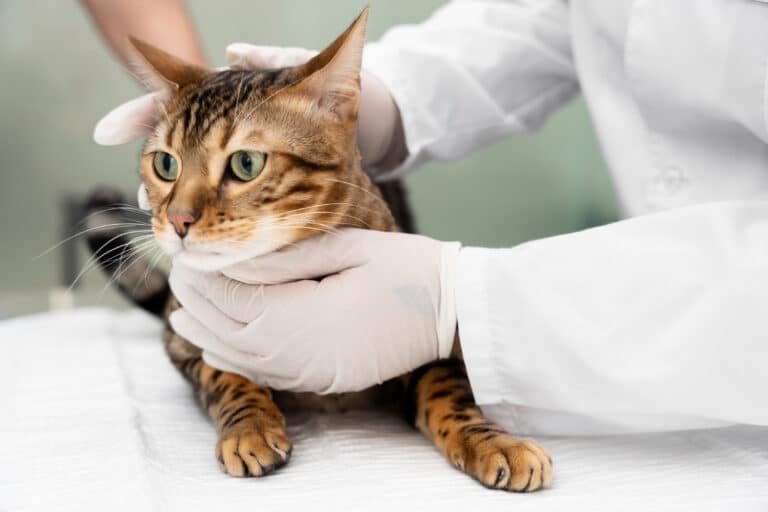
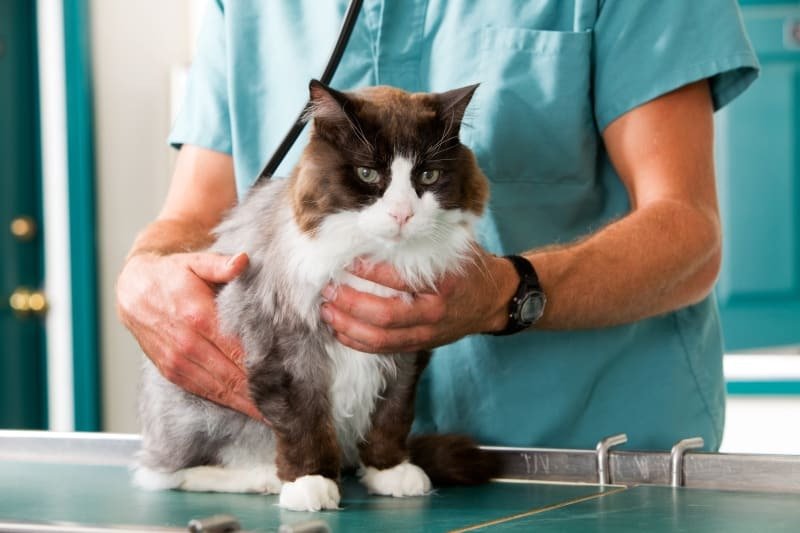
Yes, even though your cat lives indoors, you absolutely cannot skip those yearly checkups (or twice a year for seniors). Why? Because your cat still needs basic shots like Rabies, and we need to check for parasites.
More importantly, those visits let the vet run blood tests to find silent killers like kidney disease, dental problems, or hyperthyroidism before they turn into major, scary emergencies.
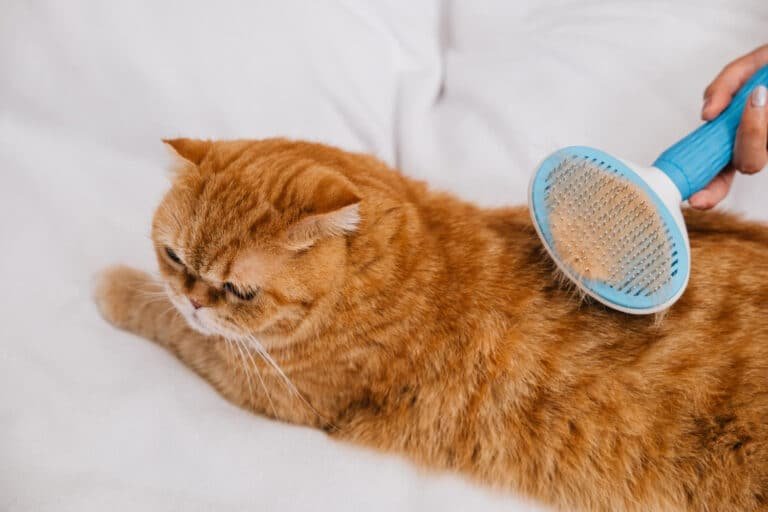
Grooming Matters
Even though your cat is a self-cleaning machine, a little help goes a long way.
Be Observant!
You are their best detective. Pay close attention to any changes:
Wrapping Up: The Payoff is Huge
You’ve got this. Learning how to care for an indoor cat takes time and real effort, but the experience is truly rewarding. When you focus on creating a fun space, feeding them well, and getting that playtime in, you’re giving them more than just safety.
By following these beginner-friendly cat care tips highlighted in our indoor cat exercise and diet guide, you’re ensuring them a life that is truly rich and happy. You should feel great knowing you’re the person who makes their indoor world so wonderful for your beloved, furry friend.