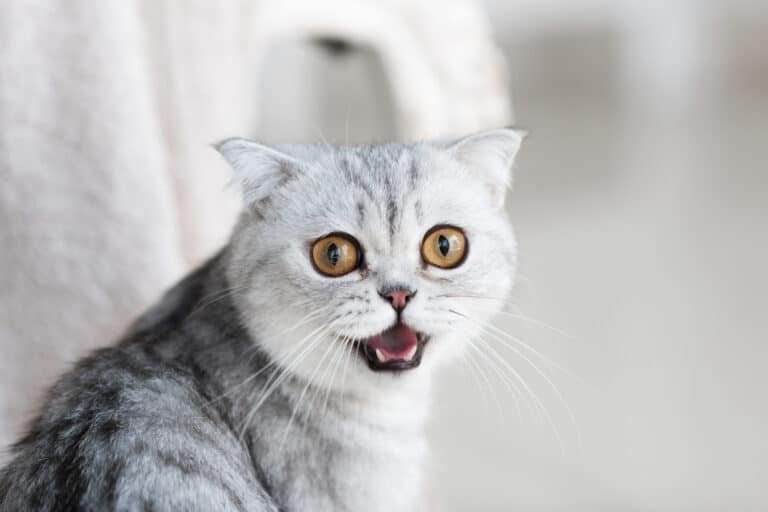
The Ultimate Guide to Understanding Cat Behavior: Why Cats Do What They Do
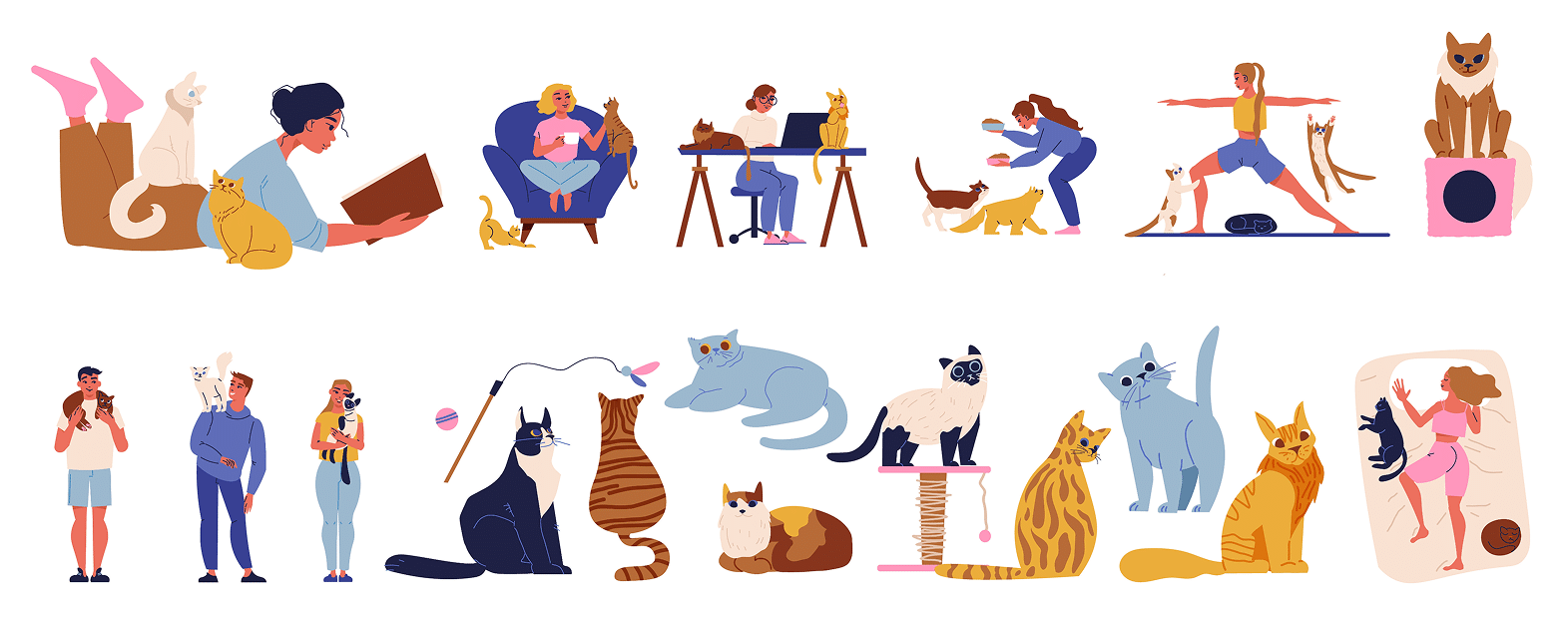
Cats are calm and subtle creatures who communicate in a rather complicated way, which makes understanding cats quite hard. It makes you wish you could understand cat body language more easily. So, keep on reading for our guide with cat behavior explained for new pet owners.
Much like children or kids, cats are also known for displaying odd behavior, which makes us question our whole existence. But, unlike kids who communicate with words, cats can’t really speak and can only meow. The only way for our fur babies to communicate with us is through their body language. The cat’s body language is quite expressive, just not to a cat parent who doesn’t know what signs to look for. So, keep on reading this guide with feline behavior explained in detail.
Complete Guide to Cat Behavior: Common Cat Behaviors and What They Mean
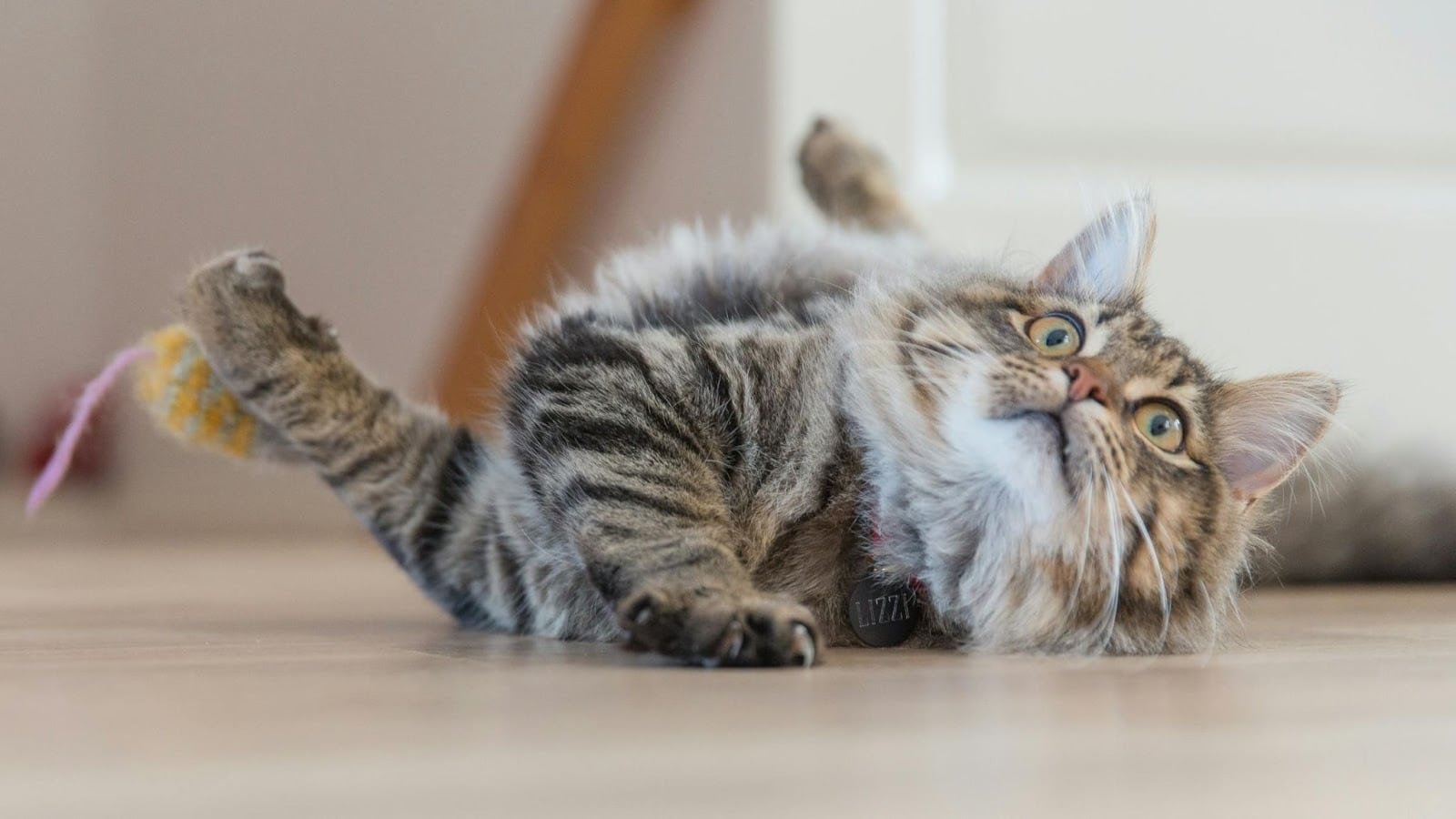
Understanding your cat’s body language begins with understanding why cats do what they do. Cats haven’t yet evolved enough to have a lot of facial muscles like dogs, which means that they are not able to express much with their face. For this reason, cat psychology and cat habits work very differently from those of a regular house dog. Cat habits include things like meowing, moving their tail a lot and scratching everything.
For this reason, it is best for you to learn what cat communication is and when they’re feeling angry, anxious, happy or sad. So, keep on reading to learn about common cat behaviors and what they mean:
👉Read more: get the complete cat care guide for beginners.
Cat Tail Meanings
One of the most expressive body parts a cat has is their tail. There are a lot of differences in cat tail meanings that explain the general cat behavior. Unlike dogs, if a cat is wagging its tail, it means it’s either highly annoyed, very excited or expressing frustration.
Basically, the wagging of a cat’s tail entails warning signs. If they are thrashing their tail around, it means that they want you to stop what you’re doing immediately, or they will get outraged and bite you. And if just the tip of their tail is wagging and looking fluffy, it means they’re about to pounce and attack something; it could be their toy or could be your leg.
Eye Movements
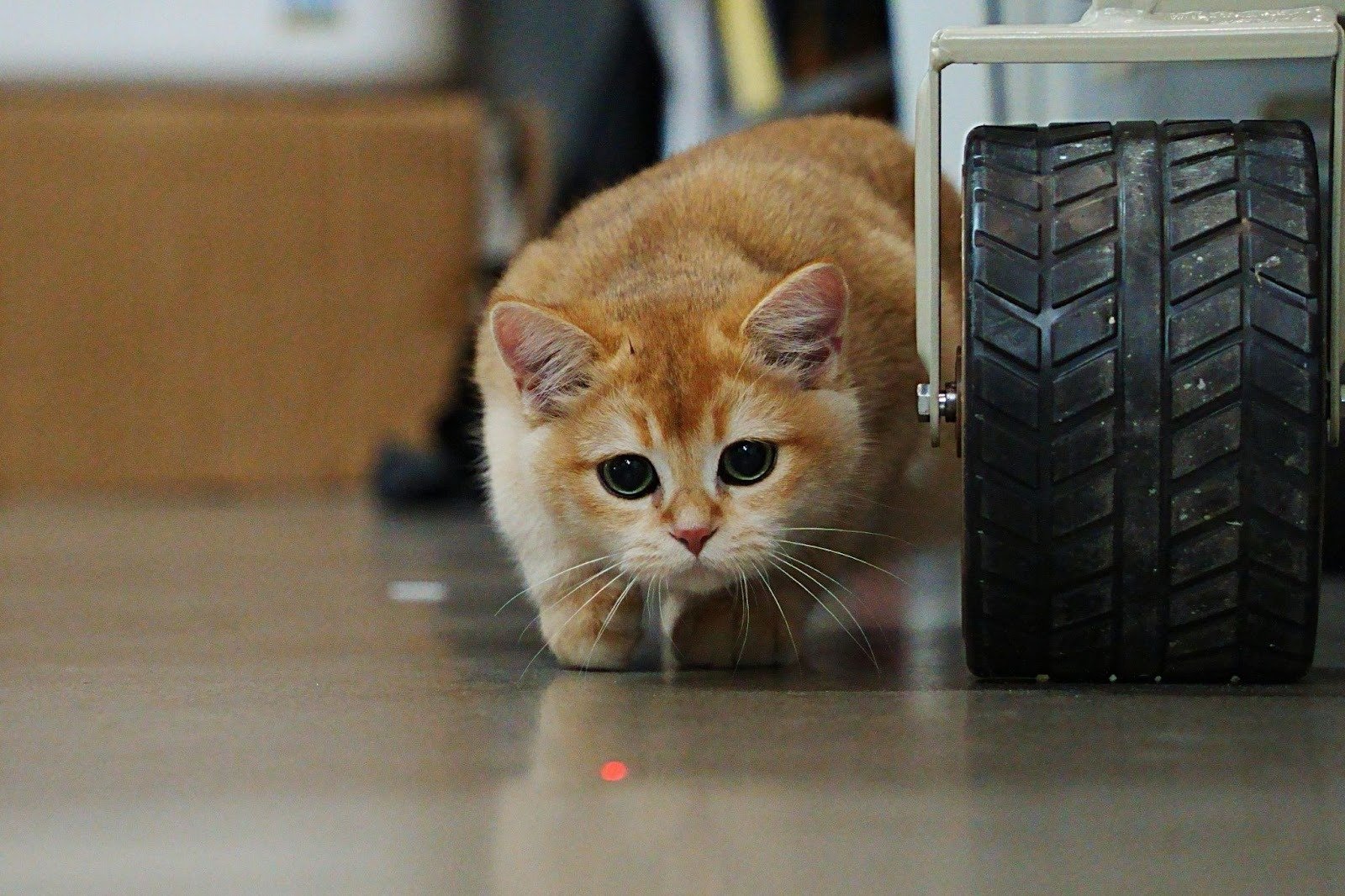
As mentioned before, cats have not evolved yet to have lots of facial muscles. The only facial feature that cat communication works with is their eyes. When it comes to cat psychology, the dilation of their pupils is very telling. If a cat’s pupils are wide and their eyes are open, it can either mean that they are excited, stressed or anxious. If a cat’s pupils are small and its eyes are wide open, it means they noticed something interesting or are curious about something. If a cat’s pupils are small and its eyes are half closed, it means they’re relaxed.
If a cat’s pupils are small and its eyes are open but looking down, it means they are sad or depressed.
👉Learn more about the cat care routine to keep your fur baby happy.
Why Cats Meow
Cat communication with their humans only works with their meowing. They can make up to a dozen different variations of their meowing. Owners who have had their cat for a long time can discern their different meows easily.
Most of the time, their meowing means that they’re hungry, they are just saying hi or they want something from you. But their meows can also mean that they’re hurt, so try to look at the cat’s body language as well to figure out if something is wrong. They can also make other noises like growls, hisses or squeals when they talk to their own kind.
Meaning of Purring
Almost every single cat makes purring noises, and that can mean very different things even though it sounds the same. Cats learn to purr from their mothers, who do it to nurse them and make them feel calm. So, commonly, a cat purrs to show that they’re content and relaxed. But they can also purr to soothe themselves if they’re feeling stressed, sad or if they’re injured.
Chirping
Besides the regular meowing and purring cat behavior, cats also make chirping noises. Cat chirps can only mean two things: they’re hunting or they’re excited. If the cat body language includes tail wagging, an arched body and dilated pupils along with chirping, it means your cat is ready to hunt their toy or anything they think is prey.
Cats might also chirp when looking out of the window at birds, or just when looking at a bug or their toy. Cats also chirp as a greeting toward their fellow feline friends or their humans.
Why Cats Knead With Their Paws
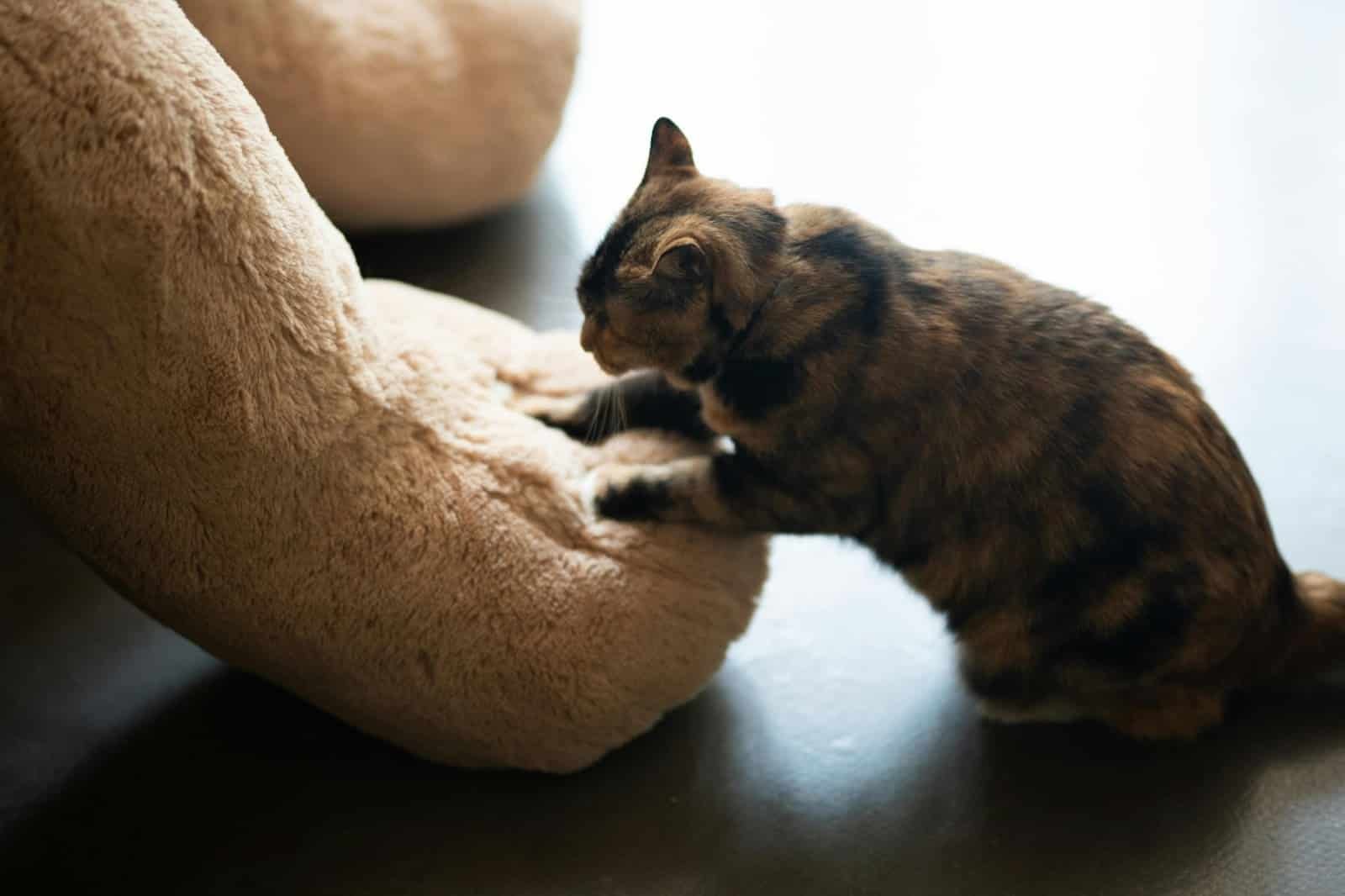
Why cats knead or make biscuits, as most people commonly call it, is a mystery that not many people are aware of. It is a very “aww” inducing cat behavior. In cat body language, kneading with their paws is something cats do to show affection and comfort. If a cat kneads on your body, it means they’re showing love to you. If a cat kneads on a blanket or soft place with their paws, it means they’re making it comfortable for themselves to lie down on.
Exposing Their Belly
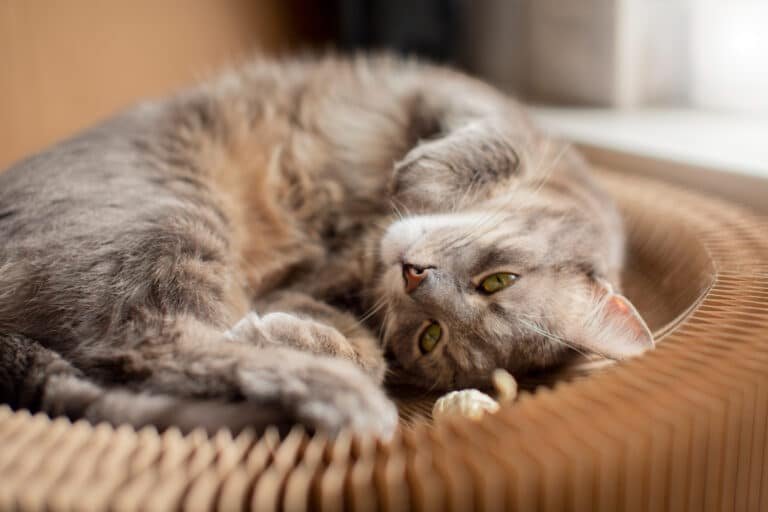
Cat communication is very limited, as mentioned before, because cats are subtle and proud creatures. One of the types of cat behavior that seasoned pet owners know to be a trap is exposing their belly. When cats expose their belly to us, they do it to show trust because it is one of the most vulnerable parts of their body.
It may feel like an invitation to pet their belly, but don’t be fooled; most cats will end up biting or scratching you if you do touch their belly. Cat psychology is weird because most of their communication forms mean “just look, no touch.”
Scratching and Knocking Things Over
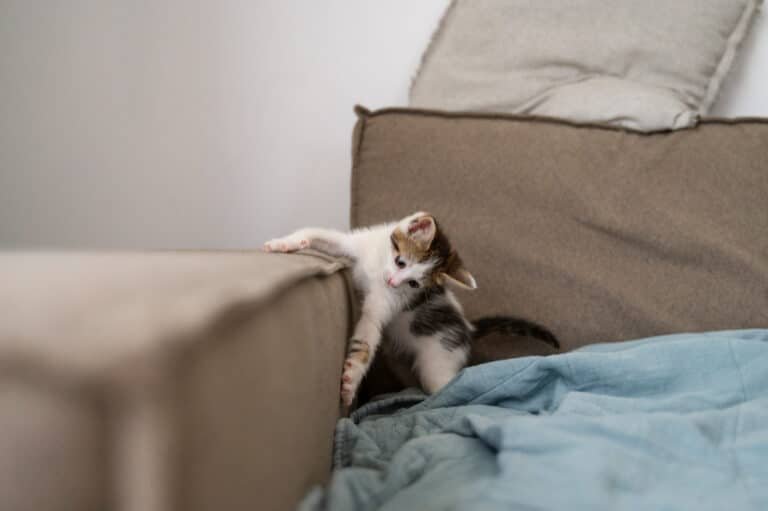
We all know cats are very mischievous creatures who like to make a mess, a very common cat behavior. They are also naturally curious creatures who love to explore things. Unlike dogs, cats like to sniff less and use their paws to bat at things more. Most of the time, they will push things till they move or fall, to test if it’s prey or not.
They might also scratch at things like your furniture, not only to test the item but also to give themselves a manicure and file their nails. They also scratch at things to mark their territory, because cats have scent-spreading glands on their paws. To help your cat, you can create a scratching post and train your cat to use the scratch pad.
Licking Themselves or You
As you may have noticed, cats tend to lick themselves very often. Cats are clean freaks, and they like to give themselves baths or groom themselves frequently. So, it is normal to catch your cat licking every inch of their furry body often. But you may also find your cat gently licking you.
They do this to show affection and love towards you or groom you, because that’s how mother cats show affection towards their kittens or groom them. It may not feel good because of their rough, barbed tongue, but your cat loves you, so deal with it!
Rubbing
Another common cat behavior that you may have seen a lot of times as a cat parent is your cat rubbing up against you or random objects. It has a simple reason behind it, and that is that they are marking you or the random object with their scent. Just like their paws, cats have unique identifying odors that exude from the scent glands on their face.
So, when they rub up against you, they are just including you in their family. As for objects, they are just marking them as their territory to warn other animals.
Going Outside the Litterbox
Cats are known to be clean freaks who are wired from their childhood to cover up their pee and poop. They actually prefer using litter boxes or a designated place to do their business. So, if your cat is going outside of the litter box, it means something is wrong.
Common issues include not liking the location of their litter box or the box or the litter you’re using itself. It may also mean that the litter box is too full and they would prefer it were cleaner. But your cat might also go outside the litter box if they are feeling territorial about using the same litter box as another cat. Sometimes it might also indicate serious medical issues like a UTI.
👉Learn more about how to train outdoors for litter training.
Bringing Random Things to You
One of the more uncommon cat behaviors that you may notice is your cat bringing random things over to you. Sometimes, if you’re lucky, it might be their toy or some harmless random object. If you’re unlucky, it might not be a random bug or rodent that they just hunted and killed. When cats bring over these objects to you, they are presenting them to you as a gift, as it’s prey they hunted. So, they’re just saying that you are a part of their family and they want you to be well-fed as well.
And with that, our ultimate guide to cat behavior and why cats do what they do is complete. Cat behavior and cat psychology are quite complicated, so learning them will help you bond with your feline companion better. If you learn to pick up on the signs, understanding your cat’s body language will be much less complicated for you. So, make sure to read up on the above-mentioned cat behaviors thoroughly!