Guide to Proper Cat Care at Home Without Frequent Vet Visits
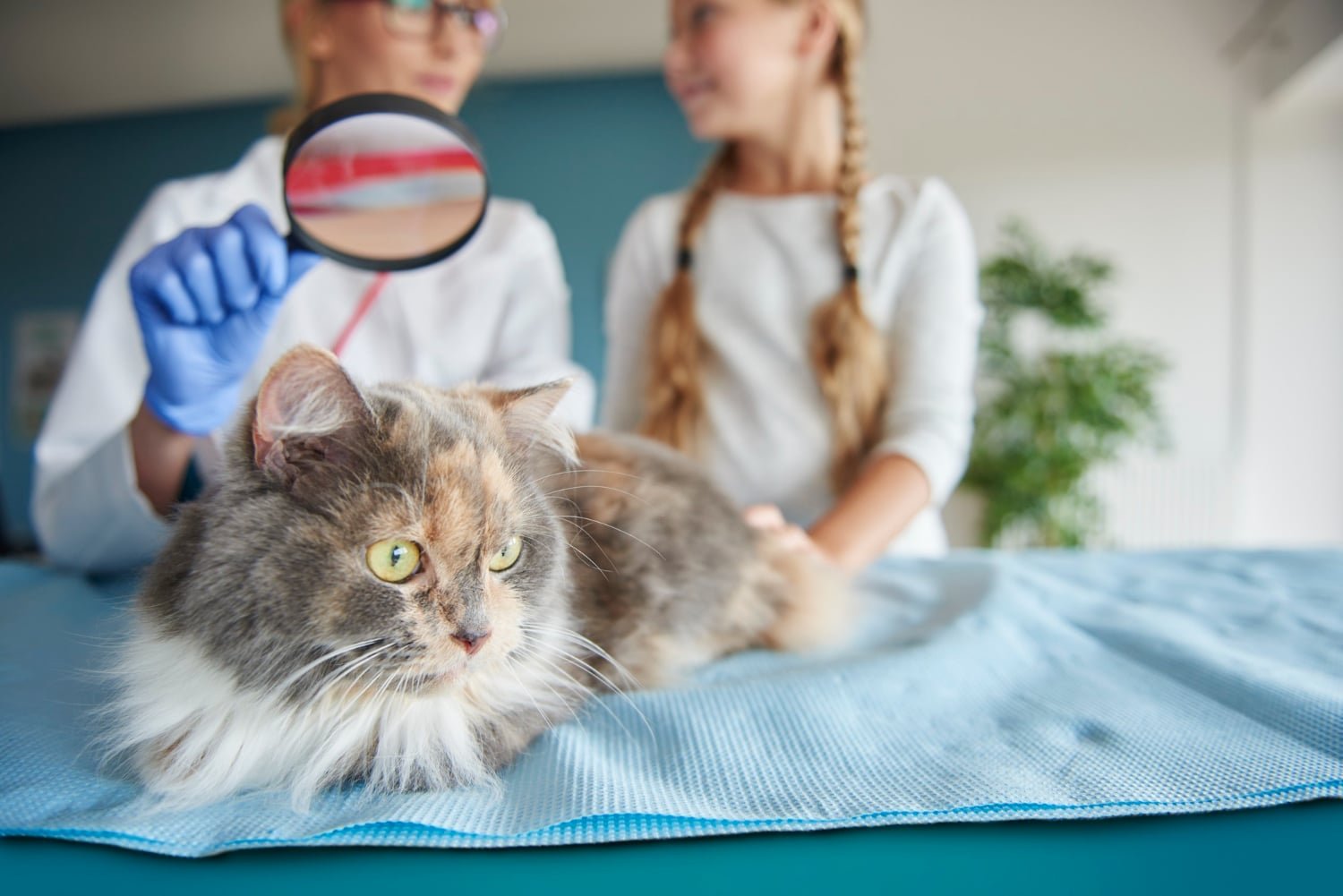
There is no denying that routine vet visits are important for keeping your cat healthy in the long term. However, it is also a sad reality that vet visits can be quite expensive.
Although at least one annual vet visit is necessary, many other aspects of cats’ well-being can be managed at home to maintain good health. This guide aims to cover those aspects. A proper cat care at home guide can prevent potential illness and create a happier life for your cat.
Basic Cat Care At Home Guide
To stay happy, what does your cat actually need in a home? The answer is simple– your care! Well, cats’ home care starts with understanding and addressing their basic physical, mental, and emotional needs. This includes:
1. Proper Nutrition and Hydration

You need to maintain different diet plans for feeding your cat depending on your cat’s breed, age, activity level, and health conditions. First, properly check the labels before giving any food to your cat. Ingredients that contain citrus, onion, garlic, chives, etc., are toxic to cats.
Being carnivores, cats depend on animal-based diets to stay healthy. Check the ingredients list of the cat food you are considering buying. Choose the ones that have animal byproducts in the first few ingredients. The cat food approved by the Association of American Feed Control Officials (AAFCO) is considered to be nutritionally balanced.
However, it is best to choose the one that matches your cat’s nutritional needs, including crucial protein, vitamins, and minerals for their growth and well-being. Although wet foods are typically more expensive here, they are easier to digest and palatable for cats. Moreover, treats shouldn’t be more than 5-10% of their daily food intake.
Check whether your cat is drinking at least 50ml/kg body weight of water daily. This is necessary for a healthy cat. Ensure to give them fresh water and clean their food bowls regularly.
2. Litter Box Maintenance
Have multiple litter boxes in different places in the house. Make them easily accessible. This is the first thing you should ensure in your litter box training journey.
For one cat, two litter boxes are recommended. It is better to remove solid waste daily to make cats use the litter box regularly. They won’t use a smelly box and make it harder for you to have a clean house. Moreover, wash the litter box at least once a month with mild detergent and refill it with fresh litter.
These are the key cat hygiene tips to keep your cat healthy and your house clean. Avoid using ammonia or scented soaps to wash the box. This might irritate your cat.
3. Proper Handling and Cuddles
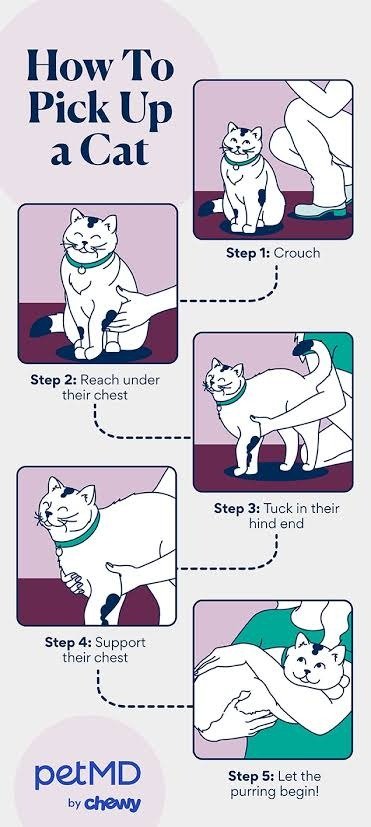
One of the key cat health care tips for beginners is to learn proper handling. This is crucial to maintain their emotional needs. Reach under their chest and support it. Always pick up your cat gently, regardless of their size, and never pick them up by their neck.
Know that a cat’s face, belly, tail, and paws are sensitive spots. Many cats don’t like to be touched there. Cats mostly appreciate pets on the back, around the ears, or under the chin. Preferences can vary depending on the cats’ personalities, and you need to learn over time about what they like more.
4. Grooming
Cats usually don’t need regular baths as they take care of their hair on their own. You can just occasionally give baths to keep them from being too smelly or when dirt sticks. But brushing your cat at least once or twice a week is crucial to remove dead hair, skin flakes, or to improve blood circulation. However, depending on the breed and type of coat your cats have, they might require more frequent and longer brushing sessions.
5. Exercise and Simulation
To maintain a healthy weight, it is important to keep your cats moving. Especially for indoor cats, as they are more prone to overweight issues. Keep the playtime around their meal. Having active interaction with them or playtime is important for their emotional well-being. Friendly cat breeds with high energy levels might even show destructive behavior when they don’t get enough attention for a long time.
Home Remedies For Cat Care
It is never recommended to rely only on home remedies when doing cat care at home. Home remedies are only to smooth out your cat’s minor issues.
It’s essential to be cautious about giving anything or applying anything to your cat. Depending on their unique coat or metabolism, it might cause issues. You need to use an organic, pure version and in a very small amount, either you are applying it on skin, mixing it in food, or bathwater. Check the label and ensure that it is pet-safe.
Monitoring & When to Consult a Veterinarian?
Even with the best cat care guide at home, your beloved cat might immediately need professional help in certain scenarios. Some common issues include:
The key to cat health care at home is to keep monitoring and knowing when to visit a veterinarian. Delaying can make things worse sometimes. Regularly monitor your cat’s weight, appetite, behavior, coat, skin, dental health, and any other changes. Sudden changes can be an indication of major issues. It’s best to keep a log of your simple observations.
For taking care of sick cats at home or cats with specific conditions, a more detailed log is required. This can later help the veterinarian in diagnosis.
Cat First Aid Basics
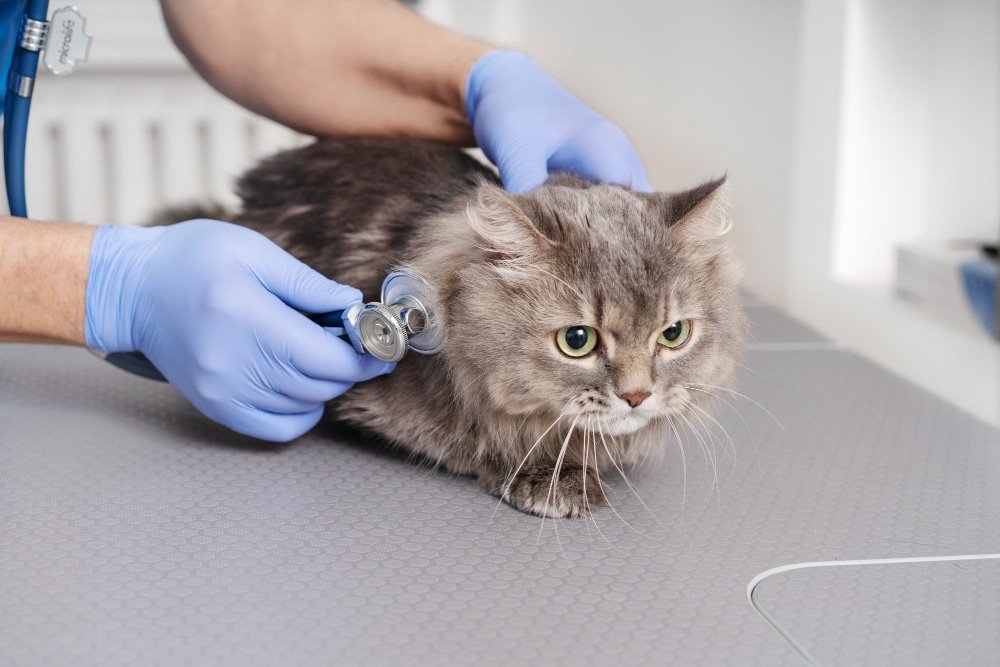
The required first aid is obviously going to be different for different scenarios. Check for all abnormalities, note them down, and let the vet know to save time. For excessive bleeding, apply pressure with clean clothes or gauze pads. Run cool water or wrap with wet towels in case of burns.
In case of emergency, veterinary care is necessary to avoid serious consequences. First aid can only help prevent the worst-case scenario. Prepare a cat first aid kit beforehand with necessary items, including a pet thermometer, thick towels, a pet carrier, tweezers, cold packs, bandage supplies, etc. Keep a card in the box with the number and address of emergency veterinarian care hotlines.
Final Thoughts
Make your home cat-friendly. This requires more than a clean litter box, designated food bowls, and a place to sleep. Provide and train them to use cat towers or scratch posts to address their natural instincts. Keeping the hazardous chemicals out of their reach is a given.
Moreover, ensure to remove plants like aloe vera and lilies that can be toxic for cats. With love, patience, and the right knowledge, your cat can lead a long, healthy, and happy life without frequent vet visits.