Why Do Cats Scratch Furniture and How to Stop It?
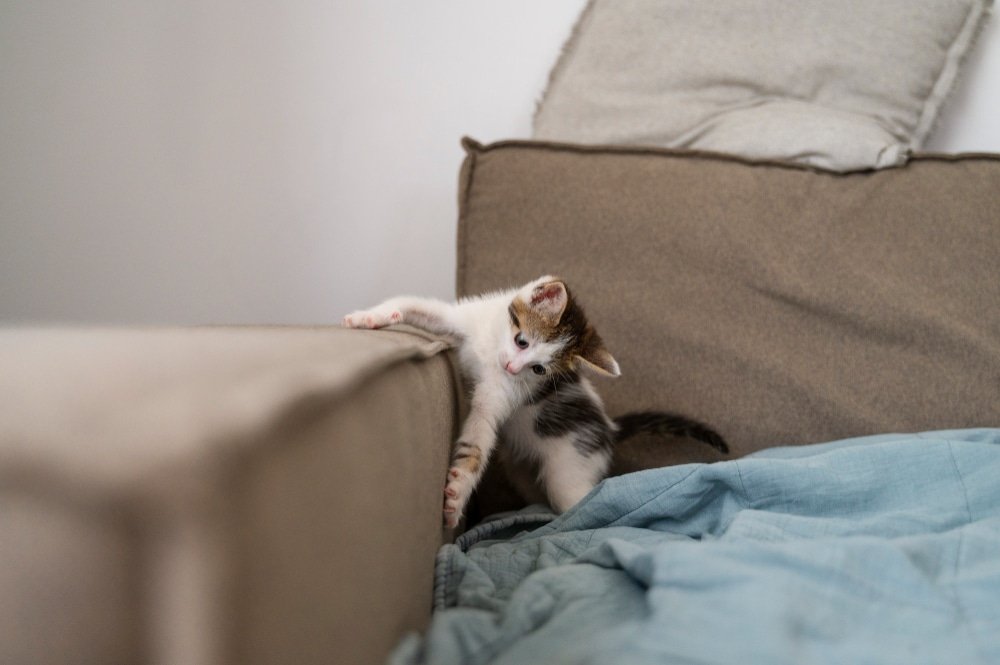
Scratching is a very natural behavior for cats. They would have scratched the tree bark or other outlets in the wild. So, furniture, being the most similar one in the home, becomes their scratching outlets indoors. That’s the core reason why cats scratch furniture.
Other than that, cats might have different reasons to scratch. This can very much differ depending on the cat or the environment they are in. Sometimes, they may scratch for no reason at all.
7 Reasons Why Cats Scratch Furniture
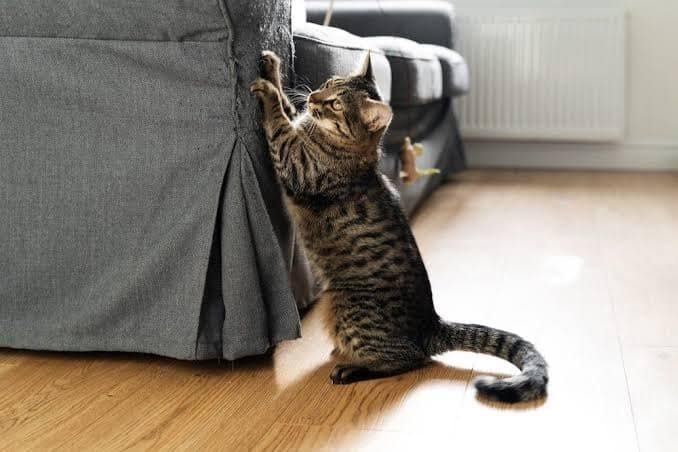
Although kittens are more likely to scratch, even older cats are going to jump, climb, and scratch regardless of their breed and age.
If you ask me to be more specific about why cats scratch furniture, here’s a quick look at the main reasons:
- Maintaining Claws Health
- Scent Marking
- Scratching for Attention
- Territory Marking
- Scratching out of Boredom
- Excited or Stress Scratching
- Just Likes Scratching
👉Get the complete guide on how to take care of your cats!
1. Maintaining Claws Health
Cats are self-grooming. That’s why, scratching can be a part of their own grooming session. It helps them remove the outer shell of nail or claw sheaths. This keeps the nails sharp and in better condition. It means that your cats are basically sharpening their nails on your furniture.
2. Scent Marking
Cats’ paws have scent glands. While scratching, they mark places with their scent. This can be a reminder to themselves or this might make them feel more secure and at home.
3. Scratching for Attention
Cats are nothing less than babies, they are going to scratch the expensive sofa if they get attention. That’s why it is good to reinforce positive behaviors. Instead of yelling or moving them away, it’s better to ignore them when they scratch the furniture or just go with a firm no.
4. Territory Marking
If you have several cats in the house, your cats might scratch just to mark their territory. This is for other cats to know each other’s territory.
5. Scratching out of Boredom
Cats can scratch out of boredom as well. Especially cats with high energy levels and limited access to the outdoor environment or with very less playtime, can be more likely to scratch. You need to give your cat enough mental simulation and active playtime to keep them occupied.
6. Excited or Stress Scratching
Some cats might scratch to express their emotions. For example, when they are excited and need an outlet for the extra energy or it can be when they are anxious. In these cases, it’s good to let them express their emotion or even address the main reason for their anxiousness. You may need help from a qualified behaviourist for that.
7. Just Likes Scratching
Your cats might just like scratching. They are seeing it as a game. It’s in their nature. They might do it even after giving them scratching posts or active playtime.
How to Stop Cats from Scratching Furniture?
You can’t just push a “stop cat scratching” button and call it a day. However, you can stop it to an extent or prevent that by redirecting cat scratching. Here are a few cat scratching solutions for your furniture protection:
1. Trim Claws Regularly
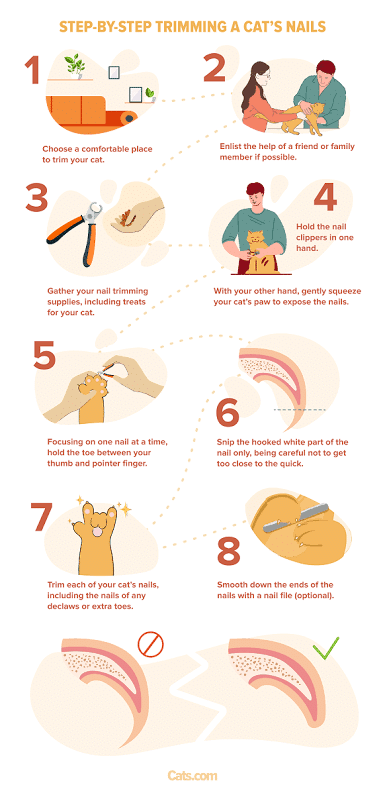
The cat claw maintenance is one of the easiest furniture protection as well as cat care tips for cat owners. It’s not recommended to declaw the cats. Instead, nail trimming or using nail caps are good declawing alternatives. Nail caps are to be used temporarily.
So, for the long run, trim them every 2-3 weeks or when necessary. Don’t be forceful. Simply hold their claws and apply gentle pressure until you see the claws. Make sure to keep them at safe length. Trying to cut too short might hurt the cat.
Bonus: Learn more about the daily cat care routine for first-time cat parents!
2. Cover Furniture with Protector Sheets
Notice the furniture and the specific place your cats like to scratch. Cover them with thick or shiny or sticky or tight sheets. This makes the furniture less appealing to scratch for them. You can also use double-sided sticky tape or cover with any other material that your cat doesn’t like.
3. Place Scratching Posts
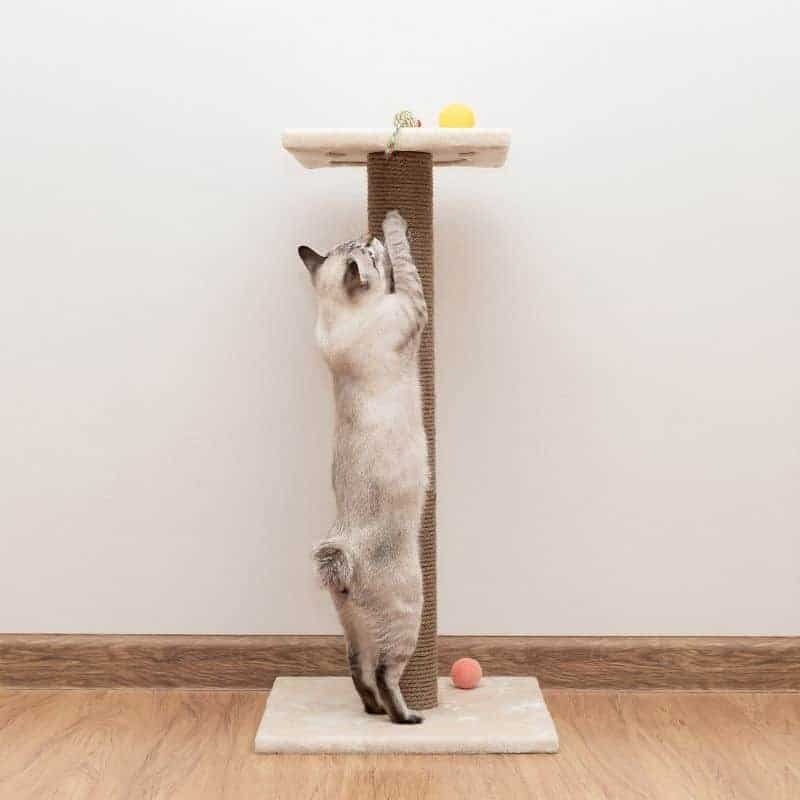
There are many different kinds of scratching posts in the market. You need to choose ones that will be attractive enough for your cats to leave your furniture alone. You can buy a basic structured one or the posts where they can climb and play as well. Make sure that the scratching post is as tall as your cat when it stands on hind legs. Buy the ones with a strong base, so that it doesn’t move away when the cats are scratching.
However, even after doing all these, the cats might not start scratching the posts from the very first. You need to train them to use a scratching post and not to use the furniture. The best ways to train cats not to scratch furniture and use searching post are:
4. Give Scratching Pads
The reasons why cats scratch sofas and carpets might be because they like to scratch horizontally or they might like the texture itself. If your cat is more likely to go for the carpets, give them scratching pads. There are many durable scratching pads options in the market or you can make a scratching pad using the old cardboards. Providing both scratching pads and posts are more effective in redirecting cats from damaging the furniture.
5. Positive Reinforcement
When cats scratch furniture, don’t yell at them. Instead, say a firm no and redirect them towards the scratching posts. Give treats to cats when they use the scratching post in the beginning. It encourages them to use the scratching post more. However, ensure that the treats are not taking up much of the cats daily calorie intake. That can turn into an unhealthy habit.
Wrapping It Up
Knowing why cats scratch furniture and how to stop it is just a way to minimize the furniture damage. The reality is that you can never completely stop your cat from scratching the furniture. No matter how calm the cat is or how much you train them, they are going to scratch the furniture to an extent. That’s just something that comes with the love and companionship of cats.